

Main Content

Funded Research

SFA has funded over 240+ research grants at more than 120 different institutions in 13 countries.

Filter by Sarcoma Subtype:

Osteosarcoma| Ewing Sarcoma| Synovial Sarcoma| SFA
Ignazio Caruana, PhD
2026

Translation of Autophagy-Reprogrammed B7-H3 CAR T

Ignazio Caruana, PhD
University Hospital of Würzburg (Universitätsklinikum Würzburg)
$75,000 Todd Barron Memorial Research Award
Despite major advances in pediatric oncology, outcomes for children with relapsed or refractory sarcomas remain dismal, with survival rates below 25 percent and limited therapeutic options. Immunotherapy with chimeric antigen receptor (CAR) T cells has transformed the treatment of leukemia and lymphoma,…
Angiosarcoma| SFA
Ping Chi, MD, PhD
2026

Understanding and targeting MYC in angiosarcoma

Ping Chi, MD, PhD
Memorial Sloan-Kettering Cancer Center
$75,000 Jay Vernon Jackson Memorial Research Award
Angiosarcoma is a rare, aggressive malignant neoplasm of endothelial origin, frequently arising in previously irradiated tissues. In radiation-associated angiosarcoma (RAAS), focal amplification leads to marked overexpression of MYC, a bHLH LZ transcription factor that normally regulates proliferation, differentiation, and cellular stemness. How…
CIC-rearranged Sarcoma| SFA
Padmini Bisoyi, PhD, MSc
2026

WEE1/PKMYT1 Dual Targeting in CIC::DUX4 Sarcoma

Padmini Bisoyi, PhD, MSc
The Regents of the University of California, San Francisco
$75,000 2025 Giving Tuesday Donors Research Award
CIC::DUX4 sarcoma is an aggressive and ultra-rare cancer affecting children, adolescents, and young adults (AYA), characterized by poor clinical outcomes and limited effective treatment options. These tumors grow rapidly and frequently metastasize, highlighting an urgent need for biologically targeted therapies. The CIC::DUX4…
Pleomorphic Rhabdomyosarcoma| SFA
Tyler McCaw, MD, PhD
2025

Defining and targeting the mechanisms of post-operative immune suppression in soft tissue sarcoma

Tyler McCaw, MD, PhD
University of California, Los Angeles
$75,000 John O'Brien Memorial Research Award
Surgery is the only potentially curative treatment of sarcomas, but recurrence in over half of patients limits survival. Successive recurrences of sarcoma are treated with re-operation and tend to have decreasing disease-free intervals, suggesting that surgery itself may be driving accelerated progression…
Epithelioid Haemangioendothelioma| SFA
Ajaybabu Pobbati, PhD
2025

Evaluation of a Cdk9 inhibitor for the treatment of aggressive epithelioid hemangioendothelioma

Ajaybabu Pobbati, PhD
Cleveland Clinic Foundation
$70,000 Sarcoma Foundation of America Research Award
Patients with aggressive epithelioid hemangioendothelioma (EHE), particularly those with metastatic disease, do not have effective treatment options. In this proposal, significant efforts have been devoted to identifying treatments that can reduce disease burden. If successful, these treatments can be repurposed for EHE…
Ewing Sarcoma| SFA
Jeffrey Toretsky, MD
2025

EWS::FLI1 drives tumorigenesis in part by creating aberrant, phase-separated, nuclear speckle-related biomolecular condensates that dysregulate mRNA splicing

Jeffrey Toretsky, MD
Georgetown University
$75,000 Scott Lively Memorial Research Award
Many types of cancers, particularly sarcomas, are caused and maintained by specific oncogenic fusion proteins. These fusion proteins are like the mythical chimera and contain parts of two proteins. The EWS::FLI1 chimera, is the major driver of Ewing Sarcoma (ES). EWS::FLI1 is…
Leiomyosarcoma| Undifferentiated Pleomorphic Sarcoma| SFA
Janai Carr-Ascher, MD, PhD
2025

Identification of YAP-Dependent High-Grade Complex Karyotype Sarcomas

Janai Carr-Ascher, MD, PhD
University of California, Davis
$75,000 Richard and Valerie Aronsohn Memorial Research Award
The current management of localized high-grade sarcomas is based on histology. Yet, clinically, within subtypes there exists a spectrum of disease. To improve treatments of sarcoma and decrease the development of recurrent disease, targeted therapy approaches are needed. To optimize this, molecular…
Desmoplastic Small Round Cell Tumor| SFA
Danh Truong, PhD
2025

Investigating lineage plasticity and EMT through the ZEB1-GRHL2 axis in DSRCT

Danh Truong, PhD
The University of Texas MD Anderson Cancer Center
$75,000 2024 Giving Tuesday Donors Research Award
Desmoplastic small round cell tumors (DSRCTs) are rare, often incurable abdominal sarcomas that present in pediatric and young adolescent populations. It arises from a translocation, resulting in a fusion protein (FP). However, no current molecular targets against the FP exist. Although many…
CIC-rearranged Sarcoma| SFA
Fabio Vanoli, PhD
2025

Pediatric and Young Adult Undifferentiated Round Cell Sarcomas beyond Ewing Sarcoma: Establishing in vitro Models and Discovery of Novel Therapeutic Targets of CIC::DUX4 Sarcoma

Fabio Vanoli, PhD
Memorial Sloan Kettering Cancer Center (MSK)
$75,000 Todd Barron Memorial Research Award
Undifferentiated round cell sarcomas (URCS) are a diverse group of tumors, identified by their round cell appearance under a microscope and a variety of chromosomal translocations. These tumors affect children and young adults and present with a broad range of clinical symptoms.…
Leiomyosarcoma| SFA
Rebecca Gladdy, MD, PhD
2025

Pre-Clinical Development of Synergistic Drug Combinations Studies Targeting DNA Damage Response Inhibitors in Leiomyosarcoma

Rebecca Gladdy, MD, PhD
Sinai Health System (Mount Sinai Hospital)
$75,000 Richard and Valerie Aronsohn Memorial Research Award
Leiomyosarcoma (LMS) is a common type of adult sarcoma that arises from smooth muscle, which is only cured by surgery. Unfortunately, 50% of patients do not survive as they develop metastasis or spread of the cancer from the original site of LMS,…
Spindle Cell / Sclerosing Rhabdomyosarcoma| Pleomorphic Rhabdomyosarcoma| Alveolar Rhabdomyosarcoma| Embryonal Rhabdomyosarcoma| SFA
Timothy Chan, MD, PhD
2025

Reduced Human Leukocyte Antigen Expression in Rhabdomyosarcoma: Implications for Immune Recognition

Timothy Chan, MD, PhD
Cleveland Clinic - Lerner Research Institute
$75,000 Chris Langbein Memorial Research Award
The most common pediatric soft tissue tumor is Rhabdomyosarcoma (RMS) which arises mainly from skeletal muscle. Despite an aggressive treatment approach which incorporates chemotherapy, radiation therapy and surgery, it is associated with poor survival, especially in high-risk patients or those with recurrent…
Gastrointestinal Stromal Tumor| SFA
Matthew Hemming, MD, PhD
2025

Regulation of KIT gene expression in gastrointestinal stromal tumor

Matthew Hemming, MD, PhD
University of Massachusetts Medical School
$150,000 Last Mile Sarcoma Research Award
Gastrointestinal stromal tumor (GIST) is a sarcoma frequently driven by activating mutations in oncogenic KIT. While tyrosine kinase inhibitors benefit most GIST patients, resistance mutations invariably develop in KIT that produce treatment resistance; no other therapeutic strategies are available. Even in advanced…
Undifferentiated Pleomorphic Sarcoma| SFA
Jianguo Huang, PhD
2025

Siglec15 Regulation of Immune Suppressive Microenvironment in Sarcoma

Jianguo Huang, PhD
Providence Health & Services Oregon dba Providence Portland Medical Center
$75,000 Marcia Brodsky Memorial Research Award
Soft tissue sarcomas present a significant challenge in medical research, being inadequately explored and often resistant to conventional treatments. Among the various subtypes, undifferentiated pleomorphic sarcoma, a major subtype of adult sarcomas, is particularly understudied, with 50% of patients developing fatal lung…
Dedifferentiated Liposarcoma| Leiomyosarcoma| Atypical Lipomatous Tumor| SFA
Sandro Pasquali, MD, PhD
2025

Translational study of the phase III randomized EORTC-62092 STRASS trial (TRANS-STRASS)

Sandro Pasquali, MD, PhD
Fondazione IRCCS Istituto Nazionale dei Tumori
$75,000 Technoblade Memorial Research Award
Patients with retroperitoneal sarcomas face a high risk of disease recurrence following surgery with curative intent. Approximately one-third of patients with well-differentiated liposarcoma (WDLPS) develop local recurrence, while nearly half of those with dedifferentiated liposarcoma (DDLPS) experience either local recurrence or distant…
Spindle Cell / Sclerosing Rhabdomyosarcoma| Alveolar Rhabdomyosarcoma| Embryonal Rhabdomyosarcoma| SFA
Erica Braverman, MD
2025

Uncovering mechanisms of adoptive cellular therapy dysfunction in rhabdomyosarcoma

Erica Braverman, MD
University of Pittsburgh
$75,000 Louise Duffy Memorial Research Award
Rhabdomyosarcoma (RMS), the most common soft-tissue sarcoma in children and adolescents, carries a dismal 5-year overall survival rate of 12-30% for metastatic disease. Cellular immunotherapies, including chimeric antigen receptor (CAR) T cells, have emerged as a method to overcome the immune “desert”…
SFA
Rick Haas, M.D.,  Ph.D.
2024

“SCOPES”, towards a reduced treatment burden for soft tissue sarcoma patients

Rick Haas, M.D., Ph.D.
 Netherlands Cancer Institute-Antoni van Leeuwenhoek Hospital (NKI-AVL) 
$50,000.00 Chris Langbein Memorial Research Award
Currently, most sarcoma reference centers prefer a conventionally fractionated preoperative radiotherapy (RT) schedule (25 x 2 Gy in 5 weeks) over postoperative RT to 66 Gy for extremity soft tissue sarcoma patients. This preference is based upon a more favorable long-term toxicity…
Dedifferentiated Liposarcoma| SFA
Sarah Watson, MD,  PhD
2024

CD24: a new therapeutic target in dedifferentiated liposarcoma

Sarah Watson, MD, PhD
Institut Curie 
$50,000.00 Jay Vernon Jackson Memorial Research Award
Dedifferentiated liposarcomas (DDLPS) is the most frequent high-grade soft tissue sarcoma in adults, and characterized by a significant risk of metastatic relapse and death. New active systemic therapies are urgently needed, as conventional cytotoxic chemotherapy and immunotherapy provide limited benefit for patients…
Leiomyosarcoma| SFA
Josephine Dermawan, MD,  PhD
2024

Genomic and Spatial Landscapes of Leiomyosarcoma with Germline Pathogenic Variants

Josephine Dermawan, MD, PhD
 Cleveland Clinic 
$50,000.00 Richard and Valerie Aronsohn Memorial Research Award
Background and Significance: Leiomyosarcoma (LMS) is one of the most common sarcoma types and is characterized by high metastatic rates and mortality. LMS arises from smooth muscle cells of various tissues and organs. Despite a relative uniform appearance under the microscope, LMS…
Myxofibrosarcoma| SFA
David Shultz, MD PhD,
2024

Hypoxia-Associated Multiomic Changes in Myxofibrosarcoma and Undifferentiated Pleomorphic Sarcoma

David Shultz, MD PhD,
 University Health Network Toronto
$50,000.00 Tirath Family Research Award
Soft tissue sarcomas are aggressive cancers originating from connective tissues, often found in the limbs, chest wall, or abdomen. Despite successful surgery for localized tumors, over half of sarcoma patients face the risk of cancer spreading to distant organs. Low oxygen environments…
Desmoplastic Small Round Cell Tumor| SFA
Danh Truong, Ph.D. ,
2024

Identifying EWS::WT1 Control and The Utility of Neogenes in Desmoplastic Small Round Cell Tumors

Danh Truong, Ph.D. ,
 University of Texas M.D. Anderson Cancer Center 
$50,000.00 Steven Vanover Memorial Research Award
Desmoplastic small round cell tumors (DSRCTs) are rare, often incurable abdominal sarcomas that present in pediatric and young adolescent populations. It arises from a translocation resulting in a fusion protein (FP), the primary oncogenic driver DSRCT. However, no current molecular targets against…
Leiomyosarcoma
2024

Omic patterns of sensitivity and resistance to existing agents

Adrian Marino-Enriquez, M.D., Ph.D.
 University College Dublin – National University of Ireland 
$150,000.00 Richard and Valerie Aronsohn Memorial Research Award
Leiomyosarcoma (LMS) is a cancer defined by smooth muscle differentiation and is one of the most common sarcomas. Outcomes for LMS patients have not improved in decades: 50% of LMS patients develop metastases, for which there are no highly effective chemotherapies and…
Angiosarcoma| Malignant Peripheral Nerve Sheath Tumour| Synovial Sarcoma| Undifferentiated Pleomorphic Sarcoma| Dedifferentiated Liposarcoma| Myxoid Liposarcoma| Myxoid Pleomorphic Liposarcoma| Pleomorphic Liposarcoma
2024

Reversing Exhaustion of Anti-Sarcoma T cells

Joseph Crompton, M.D., Ph.D.
University of California, Los Angeles
$50,000.00 Technoblade Memorial Research Award
SPECIFIC AIMS. Immunotherapy is a promising treatment approach, but at least two immunologic phenomena—antigen escape and T cell exhaustion—are emerging as key biologic obstacles to effective immunotherapy for most solid cancers. Antigen escape occurs when there is partial or complete loss of…
Malignant Peripheral Nerve Sheath Tumour| SFA
Lindy Zhang, M.D. ,
2024

The immunomodulatory effects of RAS signaling pathway inhibitors in MPNST

Lindy Zhang, M.D. ,
 Johns Hopkins University
$50,000.00 2023 Giving Tuesday Donors Research Award
Malignant peripheral nerve sheath tumors (MPNST) are aggressive soft tissue cancers and one of the most common types of soft tissue cancers in children and adolescent/young adults. MPNST is most often associated with Neurofibromatosis type 1 (NF1), an inherited syndrome, and it…
Dedifferentiated Liposarcoma| SFA
Samantha Bevill, Ph.D.,
2024

Tumor-specific PROTACs that exploit amplified MDM2 in dedifferentiated liposarcoma

Samantha Bevill, Ph.D.,
 Dana-Farber Cancer Institute
$50,000.00 Sarcoma Foundation of America Research Award
The MDM2 oncogene is frequently amplified or overexpressed in sarcoma, particularly liposarcoma. Despite the development of selective MDM2 inhibitors, there are currently no effective clinical strategies to target tumors with amplified MDM2. This research proposal will test a new strategy using bifunctional…
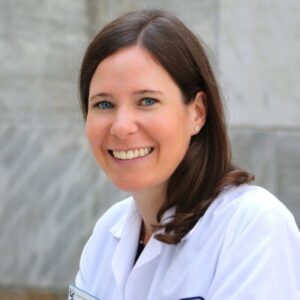
Osteosarcoma| SFA
Fiona Freeman, PhD,
2024

Using 3D bioprinting technologies to Create an Organ-on-Chip Device for Osteosarcoma and Its Surrounding Bone Microenvironment: A Platform for Drug Discovery and Therapeutic Innovation

Fiona Freeman, PhD,
 University College Dublin – National University of Ireland 
$50,000.00 Sarcoma Foundation of America Research Award
Osteosarcoma, a highly aggressive bone cancer primarily affecting children, adolescents, and young adults, poses a significant global health challenge with an annual incidence of 26,000 new cases. Despite incremental advancements in cancer treatment, the 5-year survival rate for resistant forms of osteosarcoma…
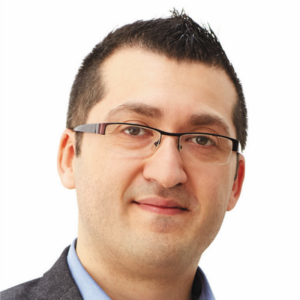
Alveolar Soft Part Sarcoma| SFA
Matthew Hemming, M.D.,  Ph.D.
2023

Characterizing and targeting the oncogenic program in Alveolar Soft Part Sarcoma

Matthew Hemming, M.D., Ph.D.
 University of Massachusetts Chan Medical School
$50,000.00 Sarcoma Foundation of America Research Award
Approximately 20% of sarcomas are driven by oncogenic translocations, which commonly involve transcriptional regulators. Alveolar soft part sarcoma (ASPS) is a sarcoma most commonly diagnosed in young adults and characterized by a translocation involving the gene ASPSCR1 and the transcription factor TFE3.…
All| SFA
Christina Roland, M.D.,
2023

Delineating Strategies to Enhance Immunotherapy Response via Microbial Targeting of Tertiary Lymphoid Structures

Christina Roland, M.D.,
 University of Texas MD Anderson Cancer Center
$50,000.00 Jay Vernon Jackson Memorial Research Award
The body’s immune system has a tremendous ability to fight disease including cancer, with strategies to reinvigorate immune responses against cancer winning the Nobel Prize in 2018 – and multiple immunotherapy drugs approved for the treatment of cancer. Despite this, most patients…
Ewing Sarcoma
2023

Developing an effective targeted therapy for undifferentiated round cell sarcomas by directly targeting CIC-DUX4 fusion and Myc oncoproteins

Yi-Jia Li, Ph.D.,
 Beckman Research Institute of the City of Hope
$50,000.00 Technoblade Memorial Research Award
CIC-DUX4 sarcoma (CDS) is a highly aggressive and metastatic cancer that mainly affects children and young adults, and the prognosis for the affected is very poor with an overall survival of only 14 months. Currently, without effective treatments available for CDS patients,…
Ewing Sarcoma| SFA
Alan Cantor, M.D.,  Ph.D.
2023

Development of Novel RNA Sensor-Based Treatment for Ewing’s Sarcoma

Alan Cantor, M.D., Ph.D.
 Boston Children's Hospital
$50,000.00 2023 Giving Tuesday Donors Research Award
Chromosomal translocations creating novel fusion molecules occur frequently in sarcomas. These not only contribute to oncogenesis, but also serve as unique molecular tags distinguishing cancerous from non-cancerous cells. The rationale for this proposal is that these unique mRNA tags can be used…
Alveolar Rhabdomyosarcoma| Embryonal Rhabdomyosarcoma| Spindle Cell / Sclerosing Rhabdomyosarcoma| SFA
Nicolas Llosa, M.D.,
2023

Exploiting Tertiary Lymphoid Structures in Rhabdomyosarcoma for promoting immunotherapy response.

Nicolas Llosa, M.D.,
 Johns Hopkins University School of Medicine
$50,000.00 Technoblade Memorial Research Award
Rhabdomyosarcoma (RMS), the most common STS in pediatric, adolescent and young adult patients. RMS is a devastating malignancy; outcomes for patients with high-risk disease are dismal and unlike many pediatric cancers, have not improved over the last 3 decades. Immunotherapy holds great…
Leiomyosarcoma
2023

Exploiting the therapeutic efficacy of eribulin in leiomyosarcoma through a better knowledge of its complex mechanism of action

Roberta Frapolli, PharmD,
 Istituto di Ricerche Farmacologiche Mario Negri (Mario Negri Institute for Pharmacological Research)
$50,000.00 Richard and Valerie Aronsohn Memorial Research Award
Leiomyosarcoma (LMS) is one of the most common soft tissue sarcomas, representing up to 20% of all of them. Many LMS originate directly from smooth muscle cells or from their precursor showing a predilection for uterus, large blood vessels of retroperitoneum and…
Gastrointestinal Stromal Tumor| SFA
Inga-Marie Schaefer, MD,
2023

Identification of therapeutic strategies to restore cell cycle control in GIST

Inga-Marie Schaefer, MD,
Brigham and Women’s Hospital
$150,000.00 Last Mile Sarcoma Research Award
Gastrointestinal (GI) stromal tumor (GIST) is the most common mesenchymal neoplasm of the GI tract and ~85% of cases are initiated by mutations in the KIT or PDGFRA genes that cause constitutive tyrosine kinase (TK) activity. Despite groundbreaking discoveries, managing patients with…
Pleomorphic Liposarcoma| SFA
Ignazio Caruana, Ph.D.,
2023

Improve functionality and persistence of Chimeric Antigen Receptor redirected T cells in refractory/relapsed sarcoma patients by Beclin1 modulation

Ignazio Caruana, Ph.D.,
 University Hospital of Würzburg (Universitätsklinikum Würzburg)
$50,000.00 Sarcoma Foundation of America Research Award
Substantial progress has been made in the treatment of paediatric patients affected by oncological malignancies over the past decades. However, children with high-risk, metastatic or relapsed disease continue to have poor prognosis despite aggressive multi-modal conventional therapies, which are associated with significant…
Undifferentiated Pleomorphic Sarcoma| SFA
Ana Banito, Ph.D.,
2023

Improving CAR-T cell immunotherapy in immunocompetent sarcoma models

Ana Banito, Ph.D.,
 Deutsches Krebsforschungszentrum (DKFZ)
$50,000.00 Sarcoma Foundation of America Research Award
Cancer immunotherapies have revolutionized how some tumor types are treated. However, evidence for their benefit in sarcoma patients remains limited with only small subsets of patients responding to treatments. Impressive results have been observed with T-cell receptor (TCR)-based adoptive T-cell therapy in…
Desmoplastic Small Round Cell Tumor| SFA
Danh Truong, Ph.D.,
2023

Omic characterization of DSRCT and establishing the role of fibroblasts

Danh Truong, Ph.D.,
 University of Texas MD Anderson Cancer Center
$50,000.00 Mickey Stachel Memorial Research Fund Award
Desmoplastic small round cell tumor (DSRCT) is a rare, usually incurable, pediatric sarcoma that afflicts mostly young males. While the EWS-WT1 fusion protein (FP) is a hallmark of DSRCT, equally pervasive is the dense fibroblastic stroma intermeshed with nests of small round…
Undifferentiated Pleomorphic Sarcoma| SFA
Elise Nassif, M.D.,
2023

Prognostic and Predictive Immune Signatures in Undifferentiated Pleomorphic Sarcomas

Elise Nassif, M.D.,
 University of Texas MD Anderson Cancer Center
$50,000.00 Sarcoma Foundation of America Research Award
Over the past decade, immunotherapy has revolutionized cancer care across many cancer types by harnessing the body’s immune system to fight tumor cells. However, response to current immunotherapies in undifferentiated pleomorphic sarcoma (UPS), one of the most immune-responsive types of sarcoma, remains…
Kaposi Sarcoma
2023

Towards an improved Kaposi sarcoma immunotherapy: Investigating the interplay of the oncogenic Kaposi sarcoma herpesvirus G-protein coupled receptor with the host chemokine system

Anna Grosskopf, Ph.D.,
National Cancer Institute, Center for Cancer Research
$50,000.00 Sarcoma Foundation of America Research Award
Kaposi sarcoma (KS) is a highly vascularized tumor of the skin and viscera that is driven by the oncogenic Kaposi Sarcoma Herpesvirus (KSHV). Skin KS can cause painful edema while visceral KS of the lungs or gastrointestinal tract has the highest rates…
Clear Cell Sarcoma of Soft Tissue| Alveolar Soft Part Sarcoma
2022

A small molecule that targets MiT/TFE dysregulated sarcomas

Rizwan Haq, MD, PhD
 Dana-Farber Cancer Institute
$50,000.00 Sarcoma Foundation of America Research Award
Dysregulation of MiT/TFE transcription factors (TFE3, TFEB, TFEC, and MITF) drive a subset of rare solid tumors across lineages, including alveolar soft part sarcoma (ASPS), and clear cell sarcoma (CCS). In ASPS, the defining genetic alteration is a gene fusion involving a…
Ewing Sarcoma| SFA
Poul Sorensen, MD,  PhD
2022

Examining oncofusion-driven transcript and protein isoforms that underpin fitness relationships essential for Ewing sarcoma tumor formation and metastasis

Poul Sorensen, MD, PhD
 BC Cancer
$50,000.00 Happy Jack/Giving Tuesday Research Award
Ewing sarcoma (EwS) is the second most common childhood bone malignancy, primarily affecting children, adolescents and young adults. The mutational landscape of the EwS genome is relatively quiet and is primarily defined by chromosomal translocations that result in fusions between EWSR1 (EWS)…
PEComa (Perivascular Epithelioid Tumour)
2022

Integrative multi-Omic analysis of PEComa: biomarkers and novel therapeutic targets

Andrea Napolitano, MD, PhD
 Royal Marsden NHS Foundation Trust
$50,000.00 Sarcoma Foundation of America Research Award
Perivascular Epithelioid Cell tumours (PEComas) are a group of ultra-rare mesenchymal tumours most commonly occurring in the 4th and 5th decade with a strong female predominance. Most PEComas have specific driver mutations in one of two genes called TSC1 and TSC2, making…
Osteosarcoma
2022

Modulation of the tumor immune microenvironment by targeting STAT3 and CD47-SIRPa axis for the treatment of osteosarcoma-lung metastasis.

Pradeep Shrestha, PhD,
 University of Texas M.D. Anderson Cancer Center
$50,000.00 Technoblade Memorial Research Award
Despite the multimodal treatment approach with aggressive chemotherapy and surgery, 30-35% of Osteosarcoma (OS) patients develop lung metastases and the survival rate for these patients is <20%. Novel therapeutic strategies are urgently needed, and immunotherapy is of significant interest. Unfortunately, the response…
Synovial Sarcoma
2022

Oncolytic virotherapy: An alternative immune based strategy leveraging cancer testis antigens in synovial sarcoma

Steven Robinson, MBBS,
MAYO CLINIC, ROCHESTER, MN
$50,000.00 Adrienne Smith and John Pritchard Memorial Award
Synovial sarcoma (SS) is an aggressive cancer that disproportionately affects young adults. The ability to target immune checkpoints has contributed to the overall decline in predicted cancer mortality rates. However patients with SS have failed to derive benefit from this approach on…
Angiosarcoma
2022

Predicting the response of secondary angiosarcomas to cemiplimab

Ingrid Desar, MD, PhD
 Radboud University Nijmegen Medical Centre
$50,000.00 Catherine Malatesta Memorial Research Award
Predicting the response of secondary angiosarcomas to cemiplimab Angiosarcomas (AS) are rare and aggressive tumors that arise from the vascular endothelium. AS can present anywhere in the body and can either develop spontaneously (primary AS) or due to previous radiotherapy, chronic lymphedema,…
Infantile Fibrosarcoma| Adult Fibrosarcoma| Myxofibrosarcoma| Low-Grade Fibromyxoid Sarcoma| Sclerosing Epithelioid Fibrosarcoma
2022

Sarcoma Immunotherapy by Attenuated Salmonella Typhimurium Engineered for Tumor Specific Production of Immunomodulators.

Daniel Saltzman, MD, PhD
 Regents of the University of Minnesota - Twin Cities
$50,000.00 Richard and Valerie Aronsohn Memorial Research Award
A significant impediment to the development of curative cancer therapy is the dose-limiting toxicity of therapeutic anticancer treatments. We have developed tumor-targeted bacterially delivered anticancer immunotherapy to overcome this obstacle and are working to optimize nontoxic systemic delivery of multiple immune modulating…
Atypical Lipomatous Tumor| Undifferentiated Pleomorphic Sarcoma| Osteosarcoma| Dedifferentiated Liposarcoma| Leiomyosarcoma
2022

Structural and functional genomics characterization of complex karyotype sarcomas for targeting perturbed telomere maintenance mechanisms

Priya Chudasama, PhD,
 Deutsches Krebsforschungszentrum (DKFZ)
$50,000.00 Richard and Valerie Aronsohn Memorial Research Award
Sarcomas, just as other cancers, achieve replicative immortality by reactivating mechanisms that maintain the ends of their chromosomes, called telomeres. Complex genetics sarcomas, such as leiomyosarcoma, osteosarcoma, undifferentiated pleomorphic sarcomas, are a group of sarcomas with wide-spread genomic instability that have poor…
Mesenchymal Chondrosarcoma
2022

The PDGF/PI3K/AKT Axis in Mesenchymal Chondrosarcoma: Functional Characterization and Implications for Anticancer Therapy

Lu Wang, MD, PhD
 St. Jude Children’s Research Hospital
$50,000.00 Therese McCarthy Memorial Research Award
Mesenchymal chondrosarcoma is a high-grade, malignant, primitive mesenchymal tumor. It accounts for 2%~4% of all chondrosarcomas and mainly affects adolescents and young adults. Mesenchymal chondrosarcoma has a strong trend toward late local and metastatic recurrence, and the outcome for these patients is…
Osteosarcoma
2022

The Role of MYC Amplification in Shaping the Osteosarcoma Tumor Microenvironment

Breelyn Wilky, MD,
 University of Colorado Anschutz Medical Campus
$50,000.00 Sarcoma Foundation of America Research Award
Osteosarcoma (OS) is the most common primary bone tumor in children and adolescents, comprising 3-5% of all pediatric cancers. Overall survival rates for high-grade OS in the pediatric population are only ~60% and have remained the same over several decades despite advances…
Dedifferentiated Liposarcoma
2022

The sarcoma tumor microbiome as a therapeutic target

Gabriel Tinoco, MD,
 The Ohio State University
$50,000.00 Jay Vernon Jackson Memorial Research Award
Background: Sarcoma is a heterogeneous group of malignant tumors that consist of distinct histological and molecular subtypes, each with unique clinical, therapeutic and prognostic features. Despite immunotherapy showing promise in many cancers, immunotherapeutic approaches in the management of sarcoma have had highly…
Undifferentiated Pleomorphic Sarcoma| Leiomyosarcoma
2022

Translational studies in the GEMMK trial: Optimising immunotherapy in leiomyosarcoma and undifferentiated pleomorphic sarcoma

Robin Jones, MD, MRCP, MBBS, BSc
ROYAL MARSDEN HOSPITAL
$50,000.00 Richard and Valerie Aronsohn Memorial Research Award
Despite significant advances taking place for immunotherapies across many cancers, success in soft tissue sarcomas (STS) has been limited. Patient outcomes for advanced/metastatic sarcomas are poor, and since the early 1970s the standard first-line therapy of doxorubicin-based chemotherapy for advanced/metastatic STS has…
Undifferentiated Pleomorphic Sarcoma| SFA
Haoqiang Ying, MD,  PhD
2022

Understand and target ATRX mutation in undifferentiated sarcoma

Haoqiang Ying, MD, PhD
 University of Texas M.D. Anderson Cancer Center
$50,000.00 Sarcoma Foundation of America Research Award
Soft tissue sarcomas are a collection of rare tumor types originated from soft tissues such as muscle, tendon, fat, etc. Among them, undifferentiated sarcomas represent a group of the most common types of soft tissue sarcomas. Unfortunately, undifferentiated sarcomas are often associated…
Alveolar Rhabdomyosarcoma| Embryonal Rhabdomyosarcoma| Spindle Cell / Sclerosing Rhabdomyosarcoma
2022

Understanding the determinants of cell fate decisions in pediatric rhabdomyosarcomas

Beat Schaefer, PhD,
 University Children's Hospital Zurich
$50,000.00 Marcia Brodsky Memorial Research Award
Alveolar rhabdomyosarcomas (aRMS) are highly aggressive pediatric sarcomas, associated with the skeletal muscle lineage. These tumors are believed to originate from differentiation defects during myogenesis, the process of muscle development: despite expression of key myogenic regulatory factors, aRMS cells are “blocked” in…
Atypical Lipomatous Tumor| Myxoid Liposarcoma| Myxoid Pleomorphic Liposarcoma| Dedifferentiated Liposarcoma| Pleomorphic Liposarcoma
2021

A novel precision medicine approach to treat advanced liposarcoma

Harri Sihto, PhD,
 University of Helsinki
$50,000.00 Florence & Marshall Schwid Memorial Research Award
Liposarcomas (LPSs) are heterogenous group of soft-tissue sarcomas, which outcome depends strongly on the site of the primary tumor and tumor histotype. At the moment, there are not available any efficacious targeted therapies to treat advanced LPSs. We have discovered recently several…
Osteosarcoma
2021

Analysis and Implications of the Difference in Response Rates to a Treatment For Metastatic Osteosarcoma

Joseph Blattman, PhD,
 Arizona State University
$50,000.00 Sarcoma Foundation of America Research Award
Osteosarcoma is the most common childhood malignancy, with a sharp decline in survival rates upon metastasis. We have previously demonstrated administration of immune checkpoint blockade (ICB) of anti-CTLA-4/anti-PD-L1 to mice inoculated with a K7M2 metastatic osteosarcoma (mOS) cell line resulted in ~50%…
Gastrointestinal Stromal Tumor
2021

Chromatin accessibility regulates tyrosine kinase inhibitor resistance in Gastrointestinal Stromal Tumors

JASON SICKLICK, MD
University of California, San Diego
$50,000.00 Sarcoma Foundation of America Research Award
Gastrointestinal stromal tumor (GIST), the most common sarcoma, results from oncogenic mutations that usually occur in the KIT genes. Though anti-KIT tyrosine kinase inhibitors (TKIs) can be initially effective, half of patients with metastatic GIST develop drug-resistance within 20 months of starting…
Low-Grade Fibromyxoid Sarcoma
2021

Development of T cell receptors targeting the common cancer antigen PRAME in pediatric malignancies

David Milewski, PhD,
National Institutes of Health , National Cancer Institute
$50,000.00 Spring for Sarcoma/Zach Cohen Memorial Research Award
Antigen presentation is a universal process in which proteins in a cell are degraded into small fragments (peptides) and displayed on the cell surface for interrogation by the immune system. If a peptide is derived from an abnormal protein (i.e. viral or…
Ewing Sarcoma| Osteosarcoma| Alveolar Rhabdomyosarcoma| Embryonal Rhabdomyosarcoma| Spindle Cell / Sclerosing Rhabdomyosarcoma
2021

Dissecting the contribution of germline genetics to pediatric sarcoma pathogenesis

Riaz Gillani, MD,
 Dana-Farber Cancer Institute
$50,000.00 Jay Vernon Jackson Memorial Research Award
Amongst pediatric cancers, bone and soft tissue sarcomas are often associated with the poorest prognoses and most limited effective treatment options. Understanding the genetics that predispose to the development of childhood cancers generally, and sarcomas specifically, is critical to discover novel mediators…
Synovial Sarcoma
2021

Function and targeting of a 5hmC-methylosome complex in synovial sarcoma

Le Su, PhD,
 HudsonAlpha Institute for Biotechnology
$50,000.00 Sarcoma Foundation of America Research Award
Synovial sarcoma is a deadly form of malignant soft tissue tumors, most commonly affecting children and young adults. Approximately all the patients bear a pathognomonic chromosomal translocation, t(X;18), which fuses the SS18 gene with SSX1, SSX2, or SSX4. The resulting SS18-SSX fusion…
SFA
Wantong Yao, PhD,
2021

Genomewide therapeutic target screens in novel preclinical models of liposarcoma

Wantong Yao, PhD,
 The University of Texas MD Anderson Cancer Center
$50,000.00 Jay Vernon Jackson Memorial Research Award
Liposarcoma is one of the most common soft-tissue sarcomas, with well-differentiated/dedifferentiated liposarcoma subtype forming the majority of cases. Although recurrences are frequent, surgery remains the mainstay of treatment when feasible due to the limited role of currently available systemic treatments. Response rates…
CIC-rearranged Sarcoma
2021

Overcoming fusion oncoprotein dependence through CIC-DUX4 target gene inhibition in undifferentiated sarcoma

Ross Okimoto, MD,
University of California , San Francisco
$50,000.00 Sarcoma Foundation of America Research Award
The CIC-DUX4 fusion oncoprotein is an understudied molecular entity that characterizes a rare but lethal subset of undifferentiated round cell sarcomas. CIC-DUX4 patients have dismal clinical outcomes due to 1) an incomplete understanding of how the CIC-DUX4 fusion oncoprotein drives tumor progression…
Osteosarcoma| Alveolar Rhabdomyosarcoma| Embryonal Rhabdomyosarcoma| Spindle Cell / Sclerosing Rhabdomyosarcoma
2021

Redirecting B7H3 CAR T cells To Sarcoma using Midkine Receptors

Jessica Lake, MD,
 University of Colorado
$50,000.00 Sarcoma Foundation of America Research Award
Advances in pediatric oncology have occurred for some cancers, however, new therapies for sarcoma (osteosarcoma and rhabdomyosarcoma) have been sparse. The 5-year disease-free survival is 20-30% for patients with metastatic sarcoma at diagnosis or recurrent disease after front-line therapy. Cellular immunotherapy using…
Osteosarcoma| Embryonal Rhabdomyosarcoma
2021

Uncover principles underlying cryoablation-induced immunotherapy effects in sarcomas

Alex Huang, MD, PhD
 Case Western Reserve University
$50,000.00 Sarcoma Foundation of America Research Award
Malignant sarcomas comprise 12% of all pediatric cancers. Despite its rare occurrence, sarcomas are life threatening and difficult to treat, and nearly half of all patients will have recurrence and metastasis. The two most prevalent sarcomas in the pediatric and adolescent population…
All
2020

Boosting Tumor Immunogenicity to Enhance Response to Immune Checkpoint Inhibitors in Soft Tissue Sarcomas

Breelyn Wilky, MD,
 University of Colorado Cancer Center
$50,000.00 Race to Cure Sarcoma Research Award
Most soft tissue sarcomas (STS) remain incurable in the metastatic setting with traditional chemotherapy. Immune checkpoint inhibitors (ICIs), including antibodies to PD-1/PD-L1 and CTLA-4, act by reversing tumor-mediated suppression of T cells. While these drugs have dramatically improved outcomes in many solid…
Atypical Lipomatous Tumor| Dedifferentiated Liposarcoma
2020

Combining Th1 specific multi-antigen cancer vaccines and radiation for liposarcoma treatment

Laura Riolobos, PhD,
 University of Washington
$50,000.00 Race to Cure Sarcoma Research Award
Liposarcomas (LPS) are classified in three principal subtypes: pleomorphic, myxoid/round cell and well-differentiated/de-differentiated (WD/DD); each of them with different clinical behavior, treatment sensitivity and underlying biology. WD/DD LPS comprises approximately 40% of LPS and most commonly arise in the retroperitoneum. Surgical resection…
Osteosarcoma
2020

Comprehensive analysis of osteosarcoma genomes and transcriptomes using long-read sequencing technologies

Isidro Cortes Ciriano, PhD,
 European Molecular Biology Laboratory
$50,000.00 Race to Cure Sarcoma Research Award
Long-read sequencing (LRS) technologies permit to continuously read individual DNA/RNA molecules over long stretches of DNA (>10kb), thus providing unparalleled information to resolve complex structural variants (SVs), the repertoire of RNA isoforms and gene fusions at single-haplotype resolution, and infer methylation profiles.…
Adult Fibrosarcoma
2020

Enhanced NK cell Immunotherapy for Treatment of Chemotherapy Refractory Sarcoma

Daniel Vallera, PhD,
 University of Minnesota – Twin Cities
$50,000.00 Richard and Valerie Aronsohn Memorial Research Award
Radiation therapy is a crucial treatment modality required to control soft tissue and advanced bone sarcomas. Despite technological advancements used to treat radioresistant sarcomas, local recurrence and metastasis continue to pose clinical challenges. Ionizing radiation can elicit anti-tumor responses by releasing tumor-specific…
Atypical Lipomatous Tumor| Undifferentiated Pleomorphic Sarcoma| Dedifferentiated Liposarcoma
2020

Evaluating the Chromatin Accessibility Landscape as a Driver of Clinical Behavior in Primary Treatment Naive Liposarcoma

Emily Keung, MD,
 MD Anderson Cancer Center
$50,000.00 St. Louis Race to Cure Sarcoma Research Award
Liposarcomas are the most common histologies of soft tissue sarcomas. Although the most common subtypes of liposarcoma, well-differentiated liposarcoma (WDLPS) and dedifferentiated liposarcoma (DDLPS), often coexist, their clinical behavior and prognosis differ dramatically. Efficacious and well tolerated systemic treatment options for both…
Desmoplastic Small Round Cell Tumor
2020

Identification of novel drug targets and predictors of clinical outcomes in desmoplastic small round cell tumors using next-generation sequencing

Madelyn Espinosa-Cotton, PhD,
 Memorial Sloan-Kettering Cancer Center
$50,000.00 Zach Cohen Memorial Research Award
Desmoplastic small round cell tumor (DSRCT) is a rare, highly-aggressive soft-tissue sarcoma with an overall five-year survival rate of less than 30%. Next generation sequencing (NGS) has given cancer researchers unprecedented access to the cancer genome, revealing targetable mutations, predictors of treatment…
Osteosarcoma
2020

Identifying mechanisms of osteosarcoma chemoresistance that arise from the lung metastatic niche

Ryan Roberts, MD, PhD
 The Research Institute at Nationwide Children’s Hospital
$50,000.00 Pittsburgh Cure Sarcoma Research Award
A therapy preventing the emergence of lung metastasis in adolescents with osteosarcoma could save more than 70% of the lives currently lost to this disease. This would represent the most significant improvement in outcome for osteosarcoma since the advent of chemotherapy in…
Myxoid Liposarcoma
2020

Imaging response to CD47 mAb immunotherapy in pediatric patients with osteosarcoma

Heike Daldrup-Link, MD, PhD
 Stanford University
$50,000.00 Race to Cure Sarcoma Research Award
Children with metastatic bone cancer have a poor prognosis, with an overall survival rate of less than 30%. Stanford investigators developed a new drug, monoclonal antibodies against the cancer cell marker CD47 (CD mAb), which activates specific immune cells (macrophages) in osteosarcomas…
Clear Cell Sarcoma of Soft Tissue| Synovial Sarcoma| Undifferentiated Pleomorphic Sarcoma| Angiosarcoma| Alveolar Soft Part Sarcoma
2020

Phase I-II trial of sunitinib plus nivolumab after standard treatment in advanced soft tissue and bone sarcomas

Javier Martin-Broto, MD, PhD
 Fundación Pública Andaluza para la Gestión de la Investigación en Salud de Sevilla
$50,000.00 Race to Cure Sarcoma Research Award
Sarcomas are rare, life-threatening, malignant tumors affecting soft, visceral, and bone tissues. Due to their high heterogeneity (more than 60 subtypes), many sarcomas lack effective therapies. Incidence is 50-60 new cases/year per million. 20% are metastatic at diagnosis and 40% of localized…
Alveolar Rhabdomyosarcoma| Embryonal Rhabdomyosarcoma
2020

THE ROLE OF PSEUDOGENES AS REGULATORS OF THE IGF2BP2/IGF1R/RAS AXIS IN RHABDOMYOSARCOMA: FUNCTIONAL CHARACTERIZATION IN MYOGENESIS AND IMPLICATIONS FOR ANTICANCER THERAPY

Sonia Guil, PhD,
 Josep Carreras Leukaemia Research Institute
$50,000.00 Race to Cure Sarcoma Research Award
In the study of cellular mechanisms that are out of control in cancer, noncoding RNAs(ncRNAs) are becoming increasingly important: these are transcripts that do not code for proteins, but which frequently play regulatory roles by fine-tuning the function of other molecules with…
Angiosarcoma
2020

Unraveling the tumor immune microenvironment of angiosarcomas

Yvonne Versleijen-Jonkers, PhD,
 Radboud University Nijmegen Medical Center
$50,000.00 Catherine Malatesta Memorial Research Award
Is immune checkpoint inhibition the solution for angiosarcoma patients? Genetic and immune profiles of angiosarcoma subtypes will lead to novel insights for the design of individualized immune checkpoint-based therapy for AS patients. Angiosarcomas are rare and aggressive tumors that arise from the…
Alveolar Rhabdomyosarcoma
2020

Unwinding new therapeutic opportunities in rhabdomyosarcoma: the role of RNA helicase DDX5

Chiara Mozzetta, PhD,
 Istituto di Biologia e Patologia Molecolari
$50,000.00 Race to Cure Sarcoma Research Award
Rhabdomyosarcoma (RMS) is the most common soft-tissue sarcoma of childhood characterized by the inability to exit the proliferative myoblast-like stage. RMS can be divided in two main histopathological subtypes: alveolar (ARMS), mainly characterized by chromosomal translocations resulting in the oncogenic fusion transcription…
Leiomyosarcoma
2019

A Phase II Study of the PARP Inhibitor Olaparib in Combination with the DNA Damaging Agent Temozolomide for the Treatment of Advanced Uterine Leiomyosarcoma

MATTHEW INGHAM, MD,
Columbia University Irving Medical Center
$200,000.00 Conquer Cancer Career Development Award
Uterine leiomyosarcoma (uLMS) is a clinically aggressive subtype of soft tissue sarcoma. Advanced uLMS is treated with chemotherapy; however, clinical outcomes remain poor. Recent whole exome and RNA sequencing studies suggest uLMS harbors characteristic defects in the homologous recombination (HR) DNA damage…
Sclerosing Epithelioid Fibrosarcoma| SFA
David Shultz, MD,  PhD
2019

Characterizing the Genetic Landscape of Radiation Associated Cutaneous Angiosarcomas

David Shultz, MD, PhD
 Princess Margaret Cancer Centre (Canada)
$50,000.00 Race to Cure Sarcoma Research Award
Radiation-associated cutaneous angiosarcoma (RAA) is a highly aggressive malignancy that arises in breast cancer patients approximately 5-10 years following treatment with adjuvant radiotherapy (RT). The median survival of patients diagnosed with RAA is 32 months due to high rates of local and…
Central Atypical Cartilaginous Tumor / Chondrosarcoma, Grade 1| Central Chondrosarcoma, Grades 2 and 3| Dedifferentiated Chondrosarcoma
2019

Deciphering the effects of IDH mutations on chromatin and differentiation in chondrosarcoma

Juan Manuel Schvartzman, MD, PhD
 Memorial Sloan Kettering Cancer Center
$50,000.00 Pittsburgh Cure Sarcoma Research Award
The discovery of oncogenic neomorphic mutations in the genes coding for the metabolic enzymes Isocitrate Dehydrogenase (IDH) 1 & 2 has driven a search to uncover their oncogenic mechanism and to target them therapeutically. IDH mutations are seen in 50% of chondrosarcomas,…
Dedifferentiated Liposarcoma
2019

Dissecting DNA damage and repair pathways in leiomyosarcomas: Improving therapy by understanding biology

Anette Duensing, MD,
 University of Pittsburgh Cancer Institute
$50,000.00 Richard and Valerie Aronsohn Memorial Research Award
Leiomyosarcomas (LMS) are aggressive tumors of the smooth muscle with no available effective treatments and a 2-year survival rate of 20%. They represent up to 25% of all soft tissue sarcomas (STS) and are the most common form of STS in the…
Osteosarcoma
2019

Enabling anti-tumor immunity in osteosarcoma through manipulation of the pRb pathway

Philip Hinds, PhD,
 Tufts University
$50,000.00 Sarcoma Foundation of America Research Award
Hypothesis: Targeting the pRb pathway with a focus on immunomodulatory effects offers a novel method to improve treatment outcomes in children with metastatic osteosarcoma. Rationale: Our preliminary evidence showing antigen presentation in osteoblasts is pRb-dependent, coupled with studies demonstrating that pRb-activating CDK4/6…
Osteosarcoma
2019

Identification of molecular targets promoting differentiation and loss of self renewal in osteosarcoma

David Scadden, MD,
 Massachusetts General Hospital
$50,000.00 Pittsburgh Cure Sarcoma Research Award
Osteosarcoma is the most common primary bone cancer affecting children and adolescences worldwide. However, since the introduction of chemotherapy, the overall survival rate has been plateaued for more than 30 years, remaining an unmet medical need. Here, we explore the potential of…
Embryonal Rhabdomyosarcoma
2019

Identify and characterize therapeutic targets against cancer stemness and chemotherapy resistance in rhabdomyosarcoma

Eleanor Chen, MD, PhD
 University of Washington
$50,000.00 St. Louis Race to Cure Sarcoma Research Award
Embryonal rhabdomyosarcoma (ERMS) is one of the most common and devastating pediatric soft tissue sarcomas. While localized disease can be controlled with multi-modal therapies, there remains no effective therapy for patients with relapsed or metastatic disease. The tumor propagating cells (TPCs) possess…
Atypical Lipomatous Tumor| Infantile Fibrosarcoma| Adult Fibrosarcoma| Myxofibrosarcoma| Low-Grade Fibromyxoid Sarcoma| Sclerosing Epithelioid Fibrosarcoma| Undifferentiated Pleomorphic Sarcoma| Dedifferentiated Liposarcoma| Leiomyosarcoma
2019

Immunotargeting of the prognostic NG2/CSPG4 cell surface proteoglycan in soft-tissue histotypes

Roberto Perris, PhD,
 Universita degli Studi di Parma (Italy)
$50,000.00 Chris Langbein Memorial Research Award
NG2/CSPG4 transmembrane proteoglycan (PG) is a multivalent cell surface macromolecule whose impact on tumour growth and dissemination has been extensively documented in a variety of tumours and animal models. The PG is abundantly expressed in numerous soft-tissue sarcoma subtypes where it tightly…
Atypical Lipomatous Tumor| Dedifferentiated Liposarcoma
2019

Intratumoral heterogeneity in dedifferentiated liposarcoma

Joshua Waterfall, PhD,
 Institut Curie (France)
$50,000.00 Jay Vernon Jackson Memorial Research Award
Soft tissue sarcomas are a rare entity of very heterogeneous tumors, both epidemiological, histological and molecular. Clinically, sarcomas can occur at any age of life and develop throughout the body. They are associated with a generally unfavorable prognosis, with local relapse and…
Myxoid Liposarcoma| Synovial Sarcoma
2019

Modulation of Cold Sarcoma Microenvironments to Enable T Cells in Experimental Systems

Seth Pollack, MD,
 Fred Hutchinson Cancer Research Center
$50,000.00 Zach Cohen Memorial Research Award
We are trying to improve immunotherapy for patients with synovial sarcoma (SS) and myxoid/round cell liposarcoma (MRCL); these cancers "should" be ideal candidates for immunotherapy as they have uniquely high and consistent expression of the immunogenic target, NY-ESO-1. Indeed, NY-ESO-1-targeting vaccines and…
Leiomyosarcoma
2019

Resetting the epigenetic addiction in leiomyosarcomas: a therapeutic perspective

Brancolini Claudio, PhD,
 University of Udine
$50,000.00 Spring for Sarcoma/Zach Cohen Memorial Research Award
Leiomyosarcomas (LMS) are rare highly malignant tumors of mesenchymal origin. Standard treatment is surgery and adjuvant radiotherapy. Unfortunately, local recurrence and metastasis develop in approximately 40% of cases, which drastically reduce overall survival. In order to provide better perspective to patients, new…
Malignant Peripheral Nerve Sheath Tumour
2019

Single-cell transcriptomics and epigenomics to identify tumor-microenvironment Interactions for targeted treatment of MPNST

Lai Man Natalie Wu, PhD,
 Cincinnati Children’s Hospital Medical Center
$50,000.00 Zach Cohen Memorial Research Award
MPNST (malignant peripheral nerve sheath tumors) are highly aggressive soft tissue sarcomas of Schwann cell (SC) origin, representing a major cause of mortality in neurofibromatosis (NF) patients, which affects 1 in 3500 individuals worldwide. The prognosis of MPNST patients is dismal due…
Undifferentiated Pleomorphic Sarcoma
2019

Switching the tumor immune microenvironment from “cold” to “hot” in UPS

jlenia guarnerio, PhD,
 Cedars-Sinai Medical Center
$50,000.00 Spring for Sarcoma/Zach Cohen Memorial Research Award
Undifferentiated Pleiomorphic Sarcoma (UPS) is one of the most aggressive subtypes of soft tissue sarcoma. Besides earlier detection by novel imaging techniques, little has been found to improve the overall survival of these patients in recent?years. Novel therapeutic modalities such as immunotherapies…
Ewing Sarcoma
2019

Translational assessment of predictive factors of response of Ewing sarcoma to genotoxic therapy

ENRIQUE DE ALAVA, MD, PhD
 Instituto de Biomedicina de Sevilla (Spain)
$50,000.00 Race to Cure Sarcoma Research Award
The survival rates of metastatic patients with Ewing sarcoma (ES) are still a disappointing 20-40%, motivating the search for effective novel therapeutic targets. ES is particularly sensitive to treatment with DNA damage inducing agents. This sensitivity might be attributed to the EWS/FLI1-dependent…
Ewing Sarcoma
2019

Uncovering polygenic signatures of Ewings Sarcoma drug sensitivity during the evolution of resistance

Jacob Scott, MD,
 Cleveland Clinic
$50,000.00 Zach Cohen Memorial Research Award
The trajectory of cancer progression is shaped by evolutionary processes on a variety of time scales. Evolutionary selection forces drive populations towards more fit phenotypes over generations, yet individual cancer cells can escape these forces by modifying their intracellular signaling on short…
Alveolar Rhabdomyosarcoma
2018

BMI1 as a Novel Driver and Target in Alveolar Rhabdomyosarcoma

Robert Schnepp, MD, PhD
 Emory University - Winship Cancer Institute
$50,000.00 Derek G. Schnapp Memorial Research Award
Despite significant efforts within oncology, effective therapies for alveolar rhabdomyosarcoma (ARMS) remain unrealized. Patients with ARMS are treated with intensive multimodal therapy, but outcomes still remain unacceptable. Hence, we are focused on better understanding the oncogenic networks underlying this extraordinarily aggressive sarcoma.…
Infantile Fibrosarcoma| Adult Fibrosarcoma| Myxofibrosarcoma| Low-Grade Fibromyxoid Sarcoma| Sclerosing Epithelioid Fibrosarcoma| Undifferentiated Pleomorphic Sarcoma
2018

Clinical Evaluation of BET and HDAC Inhibition in Canine Sarcoma

Tzipora Eisinger, PhD,
 University of Pennsylvania
$50,000.00 Race to Cure Sarcoma Research Award
Targeting chromatin-remodeling enzymes holds great promise for treating soft tissue sarcomas (STS) since 1) the key oncogenic drivers in many sarcomas are translocation-derived chimeric transcription factors whose activities critically depend on chromatin remodeling factors; and 2) recent work from our group and…
Angiosarcoma| Osteosarcoma
2018

Combination therapy with a novel humanized antibody to secreted frizzled related protein 2 for sarcoma

Nancy DeMore, MD,
 Medical University of South Carolina
$50,000.00 St. Louis Race to Cure Sarcoma Research Award
Sarcomas are a heterogeneous group of malignancies with a 50% mortality at 5 years across all subtypes and stages. The 5 year survival for patients with metastatic disease is only 15%.The results from chemotherapeutic agents for unresectable or metastatic disease have been…
Synovial Sarcoma
2018

Elimination of Macrophages to Improve T cell Therapy in Synovial Sarcoma

Seth Pollack, MD,
 Fred Hutchinson Cancer Research Center
$50,000.00 Bud Lawall Memorial Research Award
Synovial Sarcoma is a soft tissue sarcoma subtype with poor outcomes in the advanced setting. Although it is immunologically “cold,” it generally expresses the highly immunogenic protein NY-ESO-1. Although NY-ESO-1 has been successfully targeted in Synovial Sarcoma using adoptive cellular therapy and…
Undifferentiated Pleomorphic Sarcoma
2018

Evaluating myeloid cells as targets to promote anti-tumor immunity in undifferentiated pleomorphic sarcoma

Anusha Kalbasi, MD,
University of California , Los Angeles
$50,000.00 Jay Vernon Jackson Memorial Research Award
The vast majority of patients with soft tissue sarcoma present with localized disease, yet nearly half of these patients develop incurable distant metastases. Chemotherapy has been marginally effective in reducing the rate of metastasis or prolonging survival. However, undifferentiated pleomorphic sarcomas (UPS)…
Ewing Sarcoma
2018

Evaluation of ctDNA as a prognostic biomarker in patients with localized Ewing sarcoma

David Shulman, MD,
Dana-Farber Cancer Institute
$50,000.00 Conquer Cancer Yound Investigator Award
Ewing sarcoma is the second most common primary bone malignancy in children and young adults. Approximately 70-75% of patients with localized Ewing sarcoma are expected to survive their disease with multi-agent chemotherapy regimens and local control of the primary tumor. Identification of…
SFA
Matthew Hemming, MD,  PhD
2018

Exploring sarcoma functional genomics to identify disease-specific vulnerabilities.

Matthew Hemming, MD, PhD
 Dana-Farber Cancer Institute
$50,000.00 Race to Cure Sarcoma Research Award
Sarcomas are uncommon and poorly understood malignancies of mesenchymal tissues. Their histologic diversity and diagnostic complexity bring tremendous challenge to optimal clinical management. The lack of understanding of the biological underpinnings of sarcoma development and neoplastic drivers is underscored by both the…
Ewing Sarcoma
2018

Global impact of the DNA/RNA helicase DHX9 on the processing of coding and noncoding transcripts in Ewing sarcoma pathogenesis

Maria Paola Paronetto, PhD,
 IRCCS Santa Lucia Foundation
$50,000.00 Pittsburgh Cure Sarcoma Research Award
Ewing Sarcomas (ES) are biologically aggressive tumors of bone and soft tissues, characterized by in frame chromosomal translocation leading to the expression of the EWS-FLI1 oncogene. They affect mainly children and adolescents. A combination of surgery and radiation therapy, followed by chemotherapy…
Synovial Sarcoma| Ewing Sarcoma| Osteosarcoma| Alveolar Rhabdomyosarcoma| Embryonal Rhabdomyosarcoma| Spindle Cell / Sclerosing Rhabdomyosarcoma
2017

CART Cells for Sarcoma

Matthew Cascio, DO,
 University of Florida
$50,000.00 Richard and Valerie Aronsohn Memorial Research Award
Metastatic osteosarcoma has a poor prognosis, yet systemic standard of care therapies renders patients with great morbidity and life-long disabilities. Thus, there is an urgency to discover less toxic and more effective therapies for this patient population. The body’s natural defense against…
Osteosarcoma
2017

Interrogating the regulation, function and therapeutic potential of monocarboxylate transporters in osteosarcoma

Cheryl London, DVM, PhD
 Tufts Medical Center
$50,000.00 Pittsburgh Cure Sarcoma Research Award
A distinguishing feature of cancer cells is their ability to undergo aerobic glycolysis (known as the Warburg effect), allowing them to thrive in a variety of microenvironments. Monocarboxylate transporters (MCTs) are key facilitators of aerobic glycolysis, moving lactate across the plasma membrane,…
Synovial Sarcoma
2017

Pluripotent Stem Cell-derived Genome-edited Sarcoma-targeted T cells for Immunotherapy

Fumito Ito, MD, PhD
 Roswell Park Cancer Institute
$50,000.00 St. Louis Race to Cure Sarcoma Research Award
Current approaches to adoptive cell therapy (ACT) for metastatic synovial sarcomas are limited by the difficulty of obtaining sufficient numbers of less-differentiated T cells and existence of immune suppressive pathways. We and others have shown that induced pluripotent stem cells (iPSCs) can…
Desmoid Fibromatosis| Ewing Sarcoma| Osteosarcoma| Alveolar Rhabdomyosarcoma| Embryonal Rhabdomyosarcoma| Spindle Cell / Sclerosing Rhabdomyosarcoma
2017

Rational biomarker-guided PARP inhibitor combination therapy in pediatric sarcomas

Anang Shelat, PhD,
 St. Jude Children’s Research Hospital
$50,000.00 Sarcoma Foundation of America Research Award
The overall survival for recurrent and metastatic Ewing sarcoma (EWS) is dismal (15% and 10-30%, respectively). We previously showed that EWS has a defect in double-strand DNA (dsDNA) repair, and that the addition of Poly (ADP-ribose) polymerase 1 and 2 inhibitors (PARPi)…
All
2017

Targeting the alterations of Lipid Metabolism in ASS1 Deficient Sarcomas to Induce Synthetic Lethality

Brian Van Tine, MD, PhD
 Washington University in St. Louis
$50,000.00 Sarcoma Foundation of America Research Award
The most common defect in sarcoma is loss of expression of argininosuccinate synthetase 1 (ASS1), which occurs in approximately 90% of sarcomas. This defect primes sarcomas for treatment by the arginine starvation inducing therapy arginine-deiminase (ADI-PEG20). In sarcomas, treatment with ADI-PEG20 induces…
Central Atypical Cartilaginous Tumor / Chondrosarcoma, Grade 1| Central Chondrosarcoma, Grades 2 and 3| Dedifferentiated Chondrosarcoma| SFA
2017

Targeting the retinoid acid pathway: a new therapeutic strategy for IDH1/2-mutant chondrosarcomas

Anette Duensing, MD,
 University of Pittsburgh
$50,000.00 St. Louis Race to Cure Sarcoma Research Award
Chondrosarcomas are the most common primary sarcoma of the bone in patients older than age 50. Although the majority of chondrosarcomas is of low or intermediate grade, high-grade chondrosarcomas are very aggressive tumors with high metastatic potential and a poor prognosis. Because…
Angiosarcoma
2017

Targeting the sarcoma tumor microenvironment using adrenergic receptor antagonists

Erin Dickerson, PhD,
 University of Minnesota – Twin Cities
$50,000.00 Richard and Valerie Aronsohn Memorial Research Award
Vascular sarcomas (e.g. angiosarcomas, hemangiosarcomas, and hemangioendotheliomas) represent a therapeutic challenge since new treatment approaches have not occurred in several decades. We and others recently published reports showing a remarkable 100% response rate (complete and partial responses) of angiosarcoma patients to the…
Undifferentiated Pleomorphic Sarcoma
2017

Towards precision immunotherapy for Undifferentiated Pleomorphic Sarcoma

Timothy Bowler, MBBCh, PhD
 Memorial Sloan Kettering Cancer Center
$50,000.00 Sarcoma Foundation of America Research Award
A tumor must evade destruction by the host’s immune system in order to grow. Immunotherapy works by enhancing or restoring the anti-tumor effects of the immune system. Checkpoint blockade has demonstrated efficacy in multiple tumor types and has revolutionized their management. Initial…
Angiosarcoma
2016

A Novel Genetically Engineered Mouse Model for Angiosarcoma: Molecular Characterization and Comparison to Human Angiosarcoma to Develop Targeted Therapy

Lionel Chow, MD, PhD
 Cincinnati Children’s Hospital Medical Center
$50,000.00 Pittsburgh Cure Sarcoma Co-Founder Bill Suit Memorial Research Award
Angiosaroma is a rare and aggressive sarcoma of childhood and adults with a very poor overall survival of 25% at 5 years. No effective systemic therapy has been described for this disease. Little research has been done on this entity as very…
Osteosarcoma
2016

Epigenomic characterization of paired primary and metastatic osteosarcoma tumors to define novel therapeutic targets.

Peter Scacheri, PhD,
 Case Western Reserve University – School of Medicine
$50,000.00 St. Louis Race to Cure Sarcoma Research Award
Distant metastases cause more than 90% of cancer-related mortality. Children suffering from osteosarcoma, where the typical route of spread is from bone to lung, are no exception. Unfortunately, 40% of these pediatric patients fail to be cured by the current standard of…
Alveolar Rhabdomyosarcoma| Embryonal Rhabdomyosarcoma
2016

Next Generation CRISPR Phenotypic Screens for Identification of Novel Therapeutic Targets in Rhabdomyosarcoma

Eleanor Chen, MD, PhD
 University of Washington
$50,000.00 Richard and Valerie Aronsohn Memorial Research Award
Rhabdomyosarcoma is the most common pediatric soft tissue sarcoma. Survival rate remains poor for patients with relapsed or metastatic disease. There remains an urgent need for novel therapeutic targets. Our previous work with histone deacetylases (HDACs), key epigenetic modifiers in normal and…
Angiosarcoma
2016

Outbred Canine Model of Adjuvant Immunotherapy for Angiosarcoma

William Decker, PhD,
 Baylor College of Medicine
$50,000.00 Pittsburgh Cure Sarcoma Co-Founder Carl Firetto Memorial Research Award
Cutaneous angiosarcoma is a deadly neoplasm of the dermal vascular endothelium that comprises roughly 1% of all soft tissue sarcomas. It is typically locally advanced at presentation, rendering surgical cure difficult and post-surgical metastasis is common. Standard of care includes wide margin…
All
2016

Predicting Chemotherapy Response in Sarcoma using Molecular and Imaging Data Collected in a Digital Registry

David Liebner, MD,
 The Ohio State University
$50,000.00 Richard and Valerie Aronsohn Memorial Research Award
One of the major challenges associated with clinical and translational research in patients with bone and soft tissue tumors has been the relative rarity of bone and soft-tissue tumors and a dearth of well-annotated clinical registries for these patients. We have developed…
Osteosarcoma
2016

Using In Vivo Fluorescence Angiography to Evaluate the Impact of Small Molecule Anti-Metastatic Inhibitors of Osteosarcoma in an Immunocompetent Mouse Model

Kurt Weiss, MD,
 University of Pittsburgh
$50,000.00 Sarcoma Foundation of America Research Award
Despite multiple advances in cancer therapy, osteosarcoma survival remains heavily dependent upon the existence of metastatic disease at the time of diagnosis. Patients with non-metastatic osteosarcoma have a survival rate of nearly 70%, which declines to levels as low as 15% once…
Ewing Sarcoma
2015

Adoptive cellular therapy for Ewing’s sarcoma

Meenakshi Hegde, MD,
 Baylor College of Medicine
$50,000.00 Pittsburgh Cure Sarcoma Co-Founder Carl Firetto Memorial Research Award
Tumor immunotherapy with chimeric antigen receptor (CAR)-modified T cells has shown substantial efficacy in early phase clinical trials. Targeting a single tumor associated antigen (TAA) could however result in creation of antigen escape variants. We have shown that simultaneous targeting of two…
Extrarenal Rhabdoid Tumor
2015

Epigenetic control of stem cell identity in rhabdoid sarcomas

Alex Kentsis, MD, Phd
 Memorial Sloan-Kettering Cancer Center
$50,000.00 Richard and Valerie Aronsohn Memorial Research Award
Sarcomas characterized by the deficiency of SWI/SNF chromatin remodeling, including rhabdoid and synovial sarcomas, remain mostly lethal in spite of intensive chemotherapy, surgery and radiotherapy. Normal cells do not tolerate mutations of genes encoding SWI/SNF complexes, suggesting the existence of cooperating mechanisms…
Gastrointestinal Stromal Tumor
2015

Pre-clinical development of anti-KIT CAR-Ts for metastatic GIST

Steven Katz, MD,
 Roger Williams Hospital
$50,000.00 Pittsburgh Cure Sarcoma Co-Founder Bill Suit Memorial Research Award
Gastrointestinal stromal tumors (GISTs) are the most common mesenchymal tumor of the gastrointestinal tract affecting approximately 5,000 individuals in the US each year. Up to 90% of GISTs arise from the interstitial cells of Cajal (ICC) of the stomach or small intestine…
Angiosarcoma
2015

Targeting Angiosarcoma Vascular and Metabolic Signaling by Blocking Beta Adrenergic Receptor Signaling

Brad Bryan, PhD,
 Texas Tech University Health Sciences Center
$50,000.00 John Chomiak Memorial Research Award
Angiosarcomas are highly lethal tumors composed primarily of aberrant lymphatic and/or vascular endothelial cells. These tumors most commonly occur as facial dermatologic lesions and account for over 50% of radiation-induced sarcomas following breast cancer therapy. The five year survival rate of angiosarcoma…
Gastrointestinal Stromal Tumor| Leiomyosarcoma
2015

Targeting the RB-pathway in sarcoma: Utility of CDK4/6 inhibitors

Khandan Keyomarsi, Phd,
 MD Anderson Cancer Center
$50,000.00 Richard and Valerie Aronsohn Memorial Research Award
Sarcomas are a rare group of heterogeneous neoplasms arising from mesenchymal cells. Conventional cytotoxic chemotherapy and radiation therapy have failed to greatly improve disease-specific survival rates for most sarcomas with current 5-year survival rates for STS stagnant at approximately 50%. The field…
Myxoid Liposarcoma| Synovial Sarcoma
2015

The Next Generation of Antigen-Specific T cells for Sarcoma Therapies for Sarcoma

Seth Pollack, MD,
 Fred Hutchinson Cancer Research Center
$50,000.00 Sarcoma Foundation of America Research Award
Outcomes remain poor for patients with metastatic Synovial Sarcoma (SS) and Myxoid/ round cell liposarcoma (MRCL). Immunotherapeutic approaches may be well suited to SS and MRCL because both of these sarcoma subtypes characteristically express high levels of cancer testis antigens (CT Antigens).…
Osteosarcoma
2015

Therapeutically Targeting the Hippo Pathway in Osteosarcoma

Neil Ganem, PhD,
 Boston University School of Medicine
$50,000.00 Alexander Burdo Research Award
Osteosarcoma is a malignant bone cancer that predominantly affects young adults and children. Current treatments include pre-operative chemotherapy, followed by surgical removal of the tumor or amputation, and post-operative chemotherapy. However, despite several decades of study, a significant fraction of patients are…
Synovial Sarcoma| Ewing Sarcoma| Osteosarcoma
2014

BiCAR-VZV T cells for the treatment of Sarcoma

Cliona Rooney, PhD,
 Baylor College of Medicine
$50,000.00 Sarcoma Foundation of America Research Award
Sarcomas pose a significant therapeutic challenge as even intensifying chemotherapy has produced little improvement in the survival of patients with metastatic sarcoma. Therefore, a new approach to treating these tumors is desperately needed. T cells provide a highly targeted therapy with low…
Atypical Lipomatous Tumor| Infantile Fibrosarcoma| Adult Fibrosarcoma| Myxofibrosarcoma| Low-Grade Fibromyxoid Sarcoma| Sclerosing Epithelioid Fibrosarcoma| Dedifferentiated Liposarcoma
2014

CAR T Cell Therapy for Sarcoma

Edmund Moon, MD,
University of Pennsylvania
$50,000.00 Pittsburgh 5K Cure Sarcoma Research Award
Sarcomas are malignant tumors of mesenchymal origin with more than 50 distinct histologic subtypes. This disease can be found anywhere in the body, and it has a high rate of early metastasis. Despite advances in surgery and chemotherapy, the 5-year survival rate…
Desmoplastic Small Round Cell Tumor
2014

Desmoplastic Small Round Cell Tumor: Establishment and Validation of New Cell Lines and Therapeutic Targeting of the EWS-WT1 Transcription Factor using Splice Switching Oligonucleotides

Lee Spraggon, PhD,
 Memorial Sloan-Kettering Cancer Center
$50,000.00 Kate McGarrigle Memorial Research Award
Desmoplastic small round cell tumor (DSRCT) is an aggressive primitive sarcoma of adolescents and young adults. The hallmark and key genetic driver of DSRCT is the EWS-WT1 gene fusion, which encodes an oncogenic chimeric transcription factor. Although EWS-WT1 represents the ideal therapeutic…
Ewing Sarcoma
2014

Identification of novel therapeutic targets in Ewing’s Sarcoma by modeling tumorigenesis in differentiating human embryonic stem cells.

David Gordon, MD, PhD
 University of Iowa
$50,000.00 Sarcoma Foundation of America Research Award
Ewing's Sarcoma (ES) is a bone and soft tissue malignancy that occurs in children, adolescents and adults. This cancer is defined by a recurrent chromosomal translocation between the EWSR1 gene and different ETS genes, such as FLI1, that generates a tumorigenic fusion…
Infantile Fibrosarcoma| Adult Fibrosarcoma| Atypical Lipomatous Tumor| Dedifferentiated Liposarcoma| Leiomyosarcoma| Low-Grade Fibromyxoid Sarcoma| Sclerosing Epithelioid Fibrosarcoma| Synovial Sarcoma| Alveolar Rhabdomyosarcoma| Embryonal Rhabdomyosarcoma
2014

Kinase Activity Profiling in Soft Tissue Sarcoma

Michael Major, PhD,
 University of North Carolina Lineberger Comprehensive Cancer Center
$50,000.00 Sarcoma Foundation of America Research Award
Arguably, the 518 protein kinases which make up the human kinome constitute the most tractable group of new cancer targets. However, despite its well-established ‘druggability’ and central position within key signaling networks, very few kinases have been studied in detail. In sarcoma,…
Atypical Lipomatous Tumor| Dedifferentiated Liposarcoma
2014

Proteomic and genomic approaches to understanding intrinsic and acquired resistance to CDK4 inhibition therapy in well differentiated/dedifferentiated liposarcoma

Andrew Koff, PhD,
 Memorial Sloan-Kettering Cancer Center
$50,000.00 Heidi Connery Memorial Research Award
Well differentiated/dedifferentiated liposarcoma (WD/DDLS) is the most common form of soft tissue sarcoma, characterized by genomic amplification of the CDK4 and MDM2 oncogenes. This disease is both chemo- and radio- resistant, leaving surgical resection as the only treatment option. Recently, the CDK4…
Myxoid Liposarcoma| Synovial Sarcoma
2014

Unmasking Immunomodulatory Effects of Radiation in Synovial and Myxoid/ Round Cell Liposarcoma

Seth Pollack, MD,
 Fred Hutchinson Cancer Research Center
$50,000.00 Sarcoma Foundation of America Research Award
Unmasking Immunomodulatory Effects of Radiation in Synovial Sarcoma and Myxoid/ Round Cell Liposarcoma Outcomes remain poor for patients with metastatic Synovial Sarcoma (SS) and Myxoid/ round cell liposarcoma (MRCL). Immunotherapies including T cell based therapies and checkpoint inhibitors have eradicated tumors and…
Synovial Sarcoma| Ewing Sarcoma| Osteosarcoma| Leiomyosarcoma
2013

A METABOLOMIC APPROACH TO TARGETING ASS1 DEFICIENT SARCOMAS

Brian Van Tine, MD, PhD
Washington University in St. Louis
$50,000.00 Pittsburgh Cure Sarcoma Research Award
A better understanding of the biology and metabolism of sarcoma growth is necessary to develop novel therapies. Argininosuccinate synthase 1 (ASS1) is the rate-limiting enzyme in the conversion of citrulline to arginine. When ASS1 is not expressed, arginine becomes an essential amino…
Ewing Sarcoma
2013

Characterization of the function of a novel lncRNA in Ewing’s sarcoma using genomics and proteomics

Eric Sweet-Cordero, MD,
 Stanford University
$50,000.00 Sarcoma Foundation of America Research Award
Ewing’s sarcoma is a devastating disease that affects children and young adults. Current therapies for this disease are highly toxic and lead to significant side effects. Thus, new approaches to therapy are urgently needed. The most common driving oncogenic event in Ewing’s…
Leiomyosarcoma
2013

Comprehensive Genomic Analysis of Metatstatic Uterine and Extrauterine Leiomyoscarcoma

Narasimhan Agaram, MD,
Memorial Sloan-Kettering Cancer Center
$200,000.00 VISION 2020 Research Project Award
Leiomyosarcomas (LMS) are one of the most common histologic subtypes, comprising about 25% of all sarcomas. Clinically, they are aggressive tumors with a metastatic rate of 40-45%. Current cytotoxic therapies, including combination chemotherapy, are less than optimal. LMS belong to the class…
Inflammatory Myofibroblastic Tumour
2013

Identifying and characterizing actionable kinase fusions in Inflammatory Myofibroblastic Tumors

Christine Lovly, MD, PhD
 Vanderbilt University Medical Center
$50,000.00 Richard and Valerie Aronsohn Memorial Research Award
Inflammatory myofibroblastic tumor (IMT) is a tumor of visceral soft tissue which harbors anaplastic lymphoma kinase (ALK) gene fusions in approximately 50% of cases. ALK tyrosine kinase inhibitors (TKIs) have been validated as an effective therapy for patients with ALK positive IMT,…
Ewing Sarcoma
2013

In vivo activity and characterization of the mechanism of action of a novel class of proteasome inhibitors in Ewing’s sarcoma

Romel Somwar, PhD,
 Memorial Sloan-Kettering Cancer Center
$50,000.00 Mark Herzlich Research Award
The Ewing’s sarcoma family of tumors (EFT) is an aggressive childhood malignancy with dismal outcomes for patients with metastatic and recurrent disease. In an effort to identify novel agents against EFT and to provide new insights into critical pathways relied upon by…
Osteosarcoma
2013

miR-15b (miRNA-15b) delivery to reverse multidrug resistance in human osteosarcoma

Zhenfeng Duan, PhD,
 Massachusetts General Hospital
$50,000.00 Alexander Burdo Research Award
Standard treatment for sarcoma is surgery and chemotherapy. Drug treatment usually includes a combination of doxorubicin and ifosfamide. Unfortunately, the efficacy of these agents is hampered by the eventual development of multidrug resistance (MDR). The mechanism of acquiring MDR in sarcomas is…
Alveolar Rhabdomyosarcoma
2013

Role of SFRP3 in PAX3-FOXO1-positive alveolar rhabdomyosarcoma

Corinne Linardic, MD, PhD
 Duke University Medical Center
$50,000.00 Sarcoma Foundation of America Research Award
Alveolar rhabdomyosarcoma (aRMS) is an aggressive cancer of skeletal muscle histogenesis that affects children and adults. A signature aRMS mutation is PAX3-FOXO1, which encodes a “super-transcription factor” thought to illegitimately reactivate embryonic myogenic pathways. PAX3-FOXO1-positive patients with metastasis have a 4-year survival…
Conventional Chordoma| Poorly Differentiated Chordoma| Dedifferentiated Chordoma
2013

Targeting FGFR/MEK/ERK/Brachyury pathway to inhibit chordoma cell growth

Wesley Hsu, MD,
 Wake Forest University Health Sciences
$50,000.00 Mandell/Kropp Run for a Sarcoma Cure Research Award
Chordoma is a rare sarcoma believed to originate from malignant transformation of notochordal remnants and accounts for 2-4% of all primary bone malignancies. Previous studies have found that brachyury expression in chordoma is necessary to maintain cell growth. However, the mechanism of…
Ewing Sarcoma| Synovial Sarcoma
2013

Targeting Sarcoma Cancer Stem Cells with Natural Killer Cell Immunotherapy

Robert Canter, MD,
 University of California Davis
$50,000.00 Mandell/Kropp Run for a Sarcoma Cure Research Award
The central hypothesis of this proposal is that combining sorafenib which enriches for sarcoma cancer stem cells (CSCs) with Natural Killer (NK) cell immunotherapy preferentially targeting the remaining sarcoma CSCs will result in a synergistic therapeutic effect against STS. If successful, this…
Desmoid Fibromatosis
2012

A Phase III, double blind, randomized, placebo-controlled trial of sorafenib in desmoid tumors or aggressive fibromatosis (DT/DF)

Mrinal Gounder, MD,
Memorial Sloan-Kettering Cancer Center (MSKCC) 
$200,000.00 Conquer Cancer Career Development Award
Desmoid tumors (DT/DF) are clonal connective tissue malignancies of fibroblastic origin. DT/DF lack metastatic potential however, can cause significant morbidity, loss of function and pain through mass effects. Mortality from DT/DF results from local infiltration of vital structures. There is no standard…
Dedifferentiated Liposarcoma
2012

Desmoplastic small round cell tumor: validation and further development of novel active compounds emerging from high-throughput chemical screens and establishment of xenografts for preclinical studies

Heather Magnan, PhD,
 Memorial Sloan-Kettering Cancer Center
$50,000.00 Sarcoma Foundation of America Research Award
Desmoplastic small round cell tumor (DSRCT) is a rare, aggressive tumor of adolescents and young adults characterized by the chromosomal translocation t(11:22)(p13;q12) that generates a novel, chimeric transcription factor EWS-WT1. DSRCT has a dismal prognosis in the setting of current treatment options.…
Secondary peripheral chondrosarcoma, grades 2 and 3| Secondary Peripheral Atypical Cartilaginous Tumor / Chondrosarcoma, Grade 1
2012

Polarity and Ploidy in Peripheral Chondrosarcoma

Kevin Jones, MD,
 University of Utah – Huntsman Cancer Institute
$50,000.00 Sarcoma Foundation of America Research Award
Peripheral chondrosarcoma (PCS) remains a malignancy for which no treatments other than radical surgery have proven effective. Nonetheless, PCS is one of very few sarcomas which arise from known precursor lesions in the setting of a genetically well-understood heritable syndrome. PCS frequently…
Conventional Chordoma| Dedifferentiated Chordoma| Poorly Differentiated Chordoma
2012

Preclinical Testing of Compounds Identified in a High Throughput Screen as Potential Chordoma Therapies

David Loeb, MD, PhD
 Johns Hopkins University
$50,000.00 Sarcoma Foundation of America Research Award
Chordoma is a rare tumor presumed to be derived from remnants of the notochord. Conventional chordoma is a low-grade malignancy that can be cured with surgery alone, but because chordomas usually arise in places where resection with negative margins is not feasible,…
Angiosarcoma
2012

ROS1 kinase as a candidate molecular target in angiosarcoma

Jonathan Pollack, MD, PhD
 Stanford University
$50,000.00 Mandell/Kropp Run for a Sarcoma Cure Research Award
Angiosarcomas are an uncommon type of soft tissue tumor, but are clinically aggressive and associated with relatively poor survival. New targets for molecularly-directed therapy are needed. In preliminary genomic analyses, we discovered presumptive oncogenic rearrangements of ROS1, a receptor tyrosine kinase previously…
Atypical Lipomatous Tumor| Dedifferentiated Liposarcoma
2012

Study of miR-26a-2 gene as a therapeutic target of human liposarcoma

Phillip Koeffler, MD,
 Cedars-Sinai Medical Center
$50,000.00 Sarcoma Foundation of America Research Award
Despite its high occurrence, human liposarcoma (LPS) lacks effective treatment options except surgical resection of localized tumor mass. Progressive disease may have a temporary response to chemotherapy. Approximately 90% of well-differentiated/de-differentiated LPS (WDLPS/DDLPS), the most common LPS subtype, have chromosomal amplification at…
Gastrointestinal Stromal Tumor| SFA
Ping Chi, MD,  PhD
2012

Targeting ETV1 in Gastrointestinal Stromal Tumor (GIST)

Ping Chi, MD, PhD
 Memorial Sloan Kettering Cancer Center
$50,000.00 Sarcoma Foundation of America Research Award
ETS family transcription factors (e.g. ERG, ETV1) are well-established oncogenes involved in recurrent genomic alterations in prostate cancer, Ewing sarcoma and melanoma. Recently, we uncovered an oncogenic role of ETV1 in GIST-one of the most common types human sarcoma. GIST is primarily…
Osteosarcoma
2012

Targeting the Hedgehog pathway to inhibit osteosarcoma growth through dual effects on tumor and microenvironment cells

Michelle Hurchla, PhD,
 Washington University
$50,000.00 Alexander Burdo Research Award
While the 5-year survival rate for localized osteosarcoma (OS), the most common primary bone cancer, is approximately 70%, metastasis decreases this to under 30%, highlighting the need for novel and targeted treatments. We have developed a model of high penetrant, spontaneous occurring…
Synovial Sarcoma
2011

Beta-catenin activation in synovial sarcomagenesis and progression

Kevin Jones, MD,
 University of Utah - Huntsman Cancer Institute
$50,000.00 Ashleigh Lau/Morgan Stanley Research Award
Synovial sarcoma is a deadly soft-tissue malignancy with a predilection for adolescents and young adults. The development of sorely needed targeted therapies depends on the identification of critical pathways in synovial sarcomagenesis. Expression of an SYT-SSX fusion oncogene generated by one of…
Gastrointestinal Stromal Tumor
2011

Comprehensive mutational analysis of gastrointestinal stromal tumors lacking activating mutations in the KIT, PDGFRA, and BRAF genes

Martin Belinsky, PhD,
 Fox Chase Cancer Center
$50,000.00 Sarcoma Foundation of America Research Award
Gastrointestinal stromal tumors (GISTs) are mesenchymal neoplasms that generally harbor activating kinase mutations in either KIT or PDGFRA. GISTs respond to front-line treatment 1with the specific kinase inhibitor imatinib mesylate (IM). However, approximately 15% of adult GISTs lack mutations in these kinases…
Atypical Lipomatous Tumor| Myxoid Liposarcoma| Myxoid Pleomorphic Liposarcoma| Dedifferentiated Liposarcoma| Pleomorphic Liposarcoma
2011

Epigenetic changes and epigenetic therapy in retroperitoneal liposarcomas

Nita Ahuja, MD,
 Johns Hopkins University
$50,000.00 Sarcoma Foundation of America Research Award
Retroperitoneal liposarcomas are rare tumors and the only effective treatment is surgery. However, local recurrence is common after surgery and is the major cause of death. Due to the rarity of these tumors, little is known about the underlying abnormalities. Epigenetic changes,…
Epithelioid Sarcoma
2011

Histone deacetylase inhibitor reprograms hSNF5/INI1 regulated gene expression for the treatment of epithelioid sarcoma

Quan-sheng Zhu, MD, PhD
 The University of Texas MD Anderson Cancer Center
$50,000.00 Mandell/Kropp Run for a Sarcoma Cure Research Award
Epithelioid sarcomas (ESs) are a characterized by a locally aggressive behavior and a propensity for lymphatic and metastatic spread. Current therapy follows general STS treatment guidelines with complete surgical resection being the desired (when possible) approach; the impact of chemotherapy and radiotherapy…
Infantile Fibrosarcoma| SFA
Poul Sorensen, MD,  PhD
2011

Interrogating the effects of IGF1R blockade on childhood sarcoma fusion oncoprotein stability

Poul Sorensen, MD, PhD
 British Columbia Cancer Research Center
$50,000.00 Alexander Burdo Research Award
The overall goal of this proposal J,s to determine how IGF1 R supports transformation by dominantly-acting oncoproteins found in pediatric sarcomas. Aim 1 will focus specifically on ETV6-NTRK3 (EN), a dominant chimeric tyrosine kinase that we first discovered in pediatric sarcomas. We…
Synovial Sarcoma| Undifferentiated Pleomorphic Sarcoma
2010

A Quantitative Imaging-based Biomarker for Assessment of Therapy Response in Soft Tissue Sarcomas by Differential Volume Estimation of Viable and Non-viable Tumor Fractions

Anand Singh, M.D.,
 Massachusetts General Hospital
$25,000.00 Sarcoma Foundation of America research Award
In this proposal we will take advantage of immunocompetent sarcoma models we have recently developed using electroporation-based delivery of transposon vectors to the muscle. We will concentrate on two of the models we have characterized and represent sarcomas with varying degree of…
Osteosarcoma
2010

Crosstalk between EGFR and IGF1R mediated by polymorphisms in the EGFR promoter as a mechanism for resistance to IGF1R directed therapy in osteosarcoma

E. Anders Kolb, MD,
 Alfred I. duPont Hospital for Children
$25,000.00 Dominick Rizzi Memorial Research Award
Osteosarcoma is the most common primary malignant tumor of bone, with a peak incidence in the second decade of life. New therapies are needed to improve survival especially among patients with recurrent or metastatic disease. Insulin growth factor-I (IGF-I) is essential for…
Leiomyosarcoma
2010

Developing a MicroRNA-Based Strategy for Targeting Uterine Leiomyosarcoma

Matthew Anderson, PhD,
 Baylor College of Medicine
$25,000.00 Jay Vernon Jackson Memorial Research Award
MicroRNAs (miRNAs) are a novel class of small, non-coding RNA transcripts that broadly regulate patterns of gene expression. Recently, we used Next Generation Sequencing to dentify 49 individual miRNAs differentially expressed in uterine leiomyosarcoma (ULMS). We also identified potential targets for these…
Alveolar Rhabdomyosarcoma
2010

How does a sarcoma circumvent fusion oncoprotein-mediated toxicity?

Frederic Barr, MD, PhD
 University of Pennsylvania School of Medicine
$25,000.00 ARIAD and Merck Research Award
Alveolar rhabdomyosarcoma (ARMS) is an aggressive soft tissue sarcoma with a 2;13 translocation that generates a PAX3-FKHR fusion oncoprotein. Introduction of PAX3-FKHR into multiple cell types showed that this oncoprotein exerts growth suppression and/or cell death when expressed at levels comparable to…
Extraskeletal Myxoid Chondrosarcoma
2010

Identification of the target genes of the EWS/NR4A3 fusion protein expressed in extraskeletal myxoid Chondrosarcoma

Yves Labelle, Ph.D.,
 Centre Hospitalier Universitaire de Quebec
$25,000.00 Mandell/Kropp Run for a Sarcoma Cure Research Award
Extraskeletal myxoid chondrosarcoma (EMC) are soft tissue tumors occurring mainly in the extremities, most commonly the thigh and knee. In approximately 75% of these tumors, at (9;22) chromosome translocation is present. This translocation encodes a fusion protein named EWS/NR4A3 which consists of…
Alveolar Rhabdomyosarcoma
2010

Identifying native and heteroclitic epitopes for T-cell immunity to PAX3-FKHR alveolar rhabdomyosarcoma

Stacie Goldberg, MD,
 Memorial Sloan Kettering Cancer Center
$25,000.00 Brian J. Monaghan Memorial Research Award
Alveolar rhabdomyosarcoma is an aggressive muscle tumor of childhood for which recurrent or metastatic disease carries a poor prognosis and novel therapies are needed. It is characterized most commonly by the oncogenic fusion protein PAX3-FKHR which represents a novel antigen and, therefore…
Atypical Lipomatous Tumor| Myxoid Liposarcoma| Myxoid Pleomorphic Liposarcoma| Dedifferentiated Liposarcoma| Pleomorphic Liposarcoma
2010

Lipid Metabolism in Liposarcoma: A Novel Target for Therapeutic Intervention

Nancy Kuemmerle, PhD,
Saban Research Institute , Dartmouth Medical School
$25,000.00 Richard and Kathy Lobo Research Award
There is no effective medical therapy for patients with liposarcoma. We find that liposarcomas are dependent upon a constant supply of fatty acids to fuel their growth. Tumors may potentially acquire these lipids by a) de novo synthesis using fatty acid synthase…
Myxoid Pleomorphic Liposarcoma
2010

Regulation of sarcomagenesis by the Piwi proteins and their interacting small RNAs (piRNAs)

Igor Matushansky, M.D., Ph.D.
Columbia University Medical Center, Irving Cancer Research Center
$25,000.00 Sarcoma Foundation of America research Award
Recently levels of HIWI (the human ortholog of Drosophila PIWI) HIWI, have been found to be expressed in sarcomas with higher HIWI levels correlating significantly with worse clinical outcomes. In lower organisms, PIWI family members silence mobile genomic elements (i.e., transposons) and…
All| SFA
David Kirsch, MD,  PhD
2010

Using Molecular Imaging to Identify Microscopic Residual Sarcoma Cells During Surgery

David Kirsch, MD, PhD
Duke University Medical Center
$500,000.00 Conquer Cancer Advanced Clinical Research Award
Local therapy for many soft tissue sarcomas includes limb-sparing surgery and radiation therapy. Randomized trials have established that for the majority of patients, local control can be achieved with surgery alone. However, in the absence of adjuvant radiation therapy, up to one-third…
Ewing Sarcoma
2009

Development of novel dual Insulin-like Growth Factor-1 Receptor (IGF-1R)/ Epidermal Growth Factor Receptor (EGFR) inhibitors for treatment of Ewing’s sarcoma

William Bornmann, PhD,
 MD Anderson Cancer Center
$25,000.00 Mary Beth Knox Memorial Research Award
Ewing’s sarcoma, a devastating disease in children and young adults, is in great need for a therapy. Insulin-like Growth Factor type 1Receptor (IGF-1R) and Epidermal Growth Factor Receptor (EGFR) proved to be interesting targets for different sarcomas. Here we proposed the development…
Dedifferentiated Liposarcoma
2009

Evaluation of the oncogenic potential of genes within the 1q23 amplicon

alexander beeser, PhD,
 Kansas State University
$25,000.00 Blake Cadkin Memorial Research Award
Comparative genomic hybridization identified amplification of 1q23 to be associated with liposarcomas. Further analyses of 1q23 narrowed down the candidate “driver” genes to two; DUSP12 (encoding a dual-specificity phosphatase) and ATF6 (a transcription factor of the unfolded protein response). We propose to…
Osteosarcoma
2009

Identification and Characterization of Tumor-Initiating Cells in Human Osteocarcoma – A Model to Unravel the “Roots of Evil” in Bone Cancer

Nino Rainusso, MD,
Texas Children’s Hospital
$50,000.00 Conquer Cancer Yound Investigator Award
Osteosarcoma is the most common malignant bone tumor in children and young adults. Approximately less than one third of the patients survive in case of metastatic or recurrent disease.This cancer could be the result of aberrant bone formation due to specific mutations…
All
2009

Pharmacodynamic assessment of AKT and SRC inhibitors in primary human sarcoma xenograft models

Damon Reed, MD,
 Moffitt Cancer Center
$25,000.00 Marny S. Tobin Memorial Research Award
The poor outcome of patients with advanced sarcomas underscores the rationale supporting novel therapeutic strategies. Combination treatment with dasatinib and triciribine effectively blocks growth of sarcoma cell lines through inhibition of SRC and AKT pathways, respectively We will determine the activity of…
Tenosynovial Giant Cell Tumor
2008

CSF1 inhibitors in soft tissue tumors

Paul Clarkson, MBChB,
 British Columbia Cancer Agency
$25,000.00 Brian J. Monaghan Memorial Research Award
Our recent microarray collaborative studies demonstrate that tenosynovial giant cell tumor and aggressive soft tissue leiomyosarcomas express macrophage colony stimulating factor, which appears to represent a key factor driving these neoplasms. New drugs inhibit this target, but appropriate models which include a…
Ewing Sarcoma
2008

Development of a high throughput screening assay for Ewing sarcoma oncoprotein

Aykut Uren, MD,
Lombardi Comprehensive Cancer Center , Georgetown University
$25,000.00 Marny S. Tobin Memorial Research Award
Ewing's Sarcoma presents a unique opportunity to develop tumor specific targeted therapy due to a pathognomonic chromosomal translocation. Proper function of EWS-FLl1, protein product of this chromosomal translocation, is required for tumor cell survival. We will develop a cell based High Throughput…
Ewing Sarcoma
2008

Evaluation of flow cytometry for the detection of circulating Ewing sarcoma cells

Steven DuBois, MD,
 University of California San Francisco
$25,000.00 Denis Fedorov Memorial Research Award
Approximately 25% of patients with Ewing sarcoma have circulating EWS fusion transcripts using RT-PCR. RT-PCR has several practical disadvantages. This study will evaluate a flow cytometry method we developed to detect circulating Ewing sarcoma cells. The primary aims are: 1. To establish…
Malignant Peripheral Nerve Sheath Tumour
2008

Mechanisms of tumor progression and kinome targeting in peripheral nerve sheath tumors

Cristina Antonescu, MD,
 Memorial Sloan-Kettering Cancer Center
$25,000.00 Sarcoma Foundation of America research Award
Tyrosine kinases (TK) are central regulators of signaling pathways that control critical activities in cells. A breakthrough in therapy for cancers associated with activating mutations in TKs is the development of imatinib mesylate for the treatment of CML and GIST tumors. Our…
Osteosarcoma
2008

Nanoparticle-based Targeting Tumor Neoangiogenesis to Improve Surgical Resection of PrimaryTtumor and Lung Metastasis in Advanced Osteosarcoma

Raphael Rousseau, MD, PhD
Centre Leon Berard
$500,000.00 Conquer Cancer Advanced Clinical Research Award
Although the prognosis of osteosarcoma has greatly improved over the last two decades, overall survival remains dependant upon optimal local and metastatic tumor control. Tumor size and location along with efficacy of pre-operative imaging are limiting factors for optimal surgical excision. We…
All
2008

Predicting treatment response of soft tissue sarcomas to neoadjuvant therapy by imaging proliferation with a FLT-PET/CT scan: a pilot study

Frederick Eilber, MD,
 University of California Los Angeles
$25,000.00 Shelby L. Richter Memorial Research Award
Although metabolic imaging with F18-f1uorodeoxyglucose positron emission tomography (FDG-PET) is more sensitive than standard size-based criteria (RECIST) at monitoring response to therapy in high-grade soft tissue sarcomas (STS), its limited specificity restricts its utility as a functional bio-marker. Hypothesis: Imaging proliferation with…
Alveolar Rhabdomyosarcoma| Embryonal Rhabdomyosarcoma| Spindle Cell / Sclerosing Rhabdomyosarcoma
2007

Developing an accurate genetic model for rhabdomyosarcoma therapy testing

Dawn Chandler, PhD,
Children’s Research Institute
$25,000.00 Jake’s Reindeer Race/Maynard Family Research Award
Rhabdomyosarcoma (RMS) is the third most common solid tumor in children and is often associated with high morbidity and mortality. The heterogenous nature of RMS along with the lack of genetically accurate mouse models has precluded this cancer from many of the…
All
2007

Proteomic Analysis of Sarcoma: Molecular Differences between Benign and Malignant Tumors of Bone and Soft Tissue

Justin Cates, MD, PhD
 Vanderbilt University Medical Center
$25,000.00 Shelby L. Richter Memorial Research Award
The proteomic profiles of bone and soft tissue sarcomas remain largely unexplored. The "proteome" represents all protein isoforms expressed within a target tissue, including those with post-translational modifications. We are using matrix-assisted laser desorption ionization time-of-flight mass spectrometry (MALDI-TOF MS) and liquid…
Leiomyosarcoma
2007

Study of the mechanisms of sarcoma progression using mouse models and in vitro manipulation of mesenchymal stem cells

Eva Hernando, Ph.D.,
 New York University School of Medicine
$25,000.00 Jake’s Reindeer Race/Maynard Family Research Award
The underlying genetic defects and the cell of origin of most human sarcomas remain unknown. Recently, alterations in the PI3K-Akt pathway have been identified in certain sarcoma subtypes. For instance, loss of heterozygosity of 10q (containing the PTEN genomic locus) has been…
Osteosarcoma
2006

Early identification of chemoresistant patients for improved risk-based therapy in pediatric osteosarcoma

Tsz-Kwong Man, PhD,
Baylor College of Medicine
$25,000.00 Shelby L. Richter Memorial Research Award
Osteosarcoma is the most common malignant bone tumor in children. The survival rate for patients with resistance to standard chemotherapy is about 40%. The poor prognosis of chemoresistant patients indicates that new paradigms are needed to identify those patients up front, so…
Atypical Lipomatous Tumor| Myxoid Liposarcoma| Myxoid Pleomorphic Liposarcoma| Dedifferentiated Liposarcoma| Pleomorphic Liposarcoma
2006

Ribonucleotide reductase as a novel target in liposarcoma

Rula Geha, MD,
Memorial Sloan Kettering Cancer Center
$25,000.00 Close Family Research Award
Advanced liposarcoma has low overall response rates to chemotherapy. There is a need for targeted therapy for liposarcoma. Utilizing microarray and RT- PCR data, we found ribonucleotide reductase M2 (RRM2) to be upregulated in our liposarcoma cell lines and tumor samples. Triapine,…
Malignant Peripheral Nerve Sheath Tumour
2006

Targeting the Notch Signaling Pathway: A Novel Method to Inhibit Sarcomas with Constitutive Ras Activation

Raymond Meng, MD, PhD
Memorial Sloan-Kettering Cancer Center
$35,000.00 Conquer Cancer Yound Investigator Award
This grant examines the feasibility of targeting notch signaling in malignant peripheral nerve sheath tumors (MPNST’s), an aggressive sarcoma subtype with activation of ras signaling. We are studying notch because it is involved in ras transformation and MPNST’s express high levels of…
Alveolar Rhabdomyosarcoma
2005

Functional Genomic Characterization of a Conditional Mouse Model of Alveolar Rhabdomyosarcoma: Comparison to Human Tumors

Charles Keller, MD,
Children’s Cancer Research Institute , University of Texas Health
$25,000.00 Bradley J. Breidinger Memorial Research Award
Rhabdomyosarcomas are the most common childhood soft tissue sarcoma. We have developed a conditional mouse model of alveolar rhabdomyosarcomas by expressing the Pax3:Fkhr oncogene in skeletal muscle of juvenile mice. We propose to test that our mouse model mimics the secondary genomic…
Alveolar Soft Part Sarcoma
2005

Immunologic Monitoring of Patients with Alveolar Soft Part Sarcoma Receiving a Long Translocation-Specific Peptide Vaccine with GM-CSF Adjuvant

Stacie Goldberg, MD,
Memorial Sloan-Kettering Cancer Center
$25,000.00 Bradley J. Breidinger Memorial Research Award
We are developing a long amino acid peptide vaccine to be used with GM-CSF adjuvant to target the ASPL/TFE3 breakpoint translocation of alveolar soft part sarcoma (ASPS). We will address two specific aims: 1) Can CD8+ and CD4+ T-cell responses be generated…
All
2005

Tumor Angiogenesis in Different Organ Environments: Implications for Anti-VEGF Therapy for Soft Tissue Sarcomas

Sam Yoon, MD,
Massachusetts General Hospital
$25,000.00 Bradley J. Breidinger Memorial Research Award
Anti-angiogenic agents targeting vascular endothelial growth factor (VEGF) and other angiogenic pathways are a major focus of clinical drug development for cancers including soft tissue sarcomas (STS). An underlying premise of these trials is that VEGF inhibition will have equal efficacy in…
Alveolar Rhabdomyosarcoma
2004

“Molecular Dissection of a Subset of Gene Fusion-Associated Sarcomas that Lack the Gene Fusion”

Frederic Barr, MD, PhD
University of Pennsylvania
$25,000.00 Sarcoma Foundation of America Research Award
Alveolar rhabdomyosarcoma is characterized by recurrent PAX3-FKHR and PAX7-FKHR gene fusions. We identified a subset of cases in which these fusions are present in only a small fraction of tumor cells or are undetectable. In this project, we will use allelic loss…
Osteosarcoma
2003

“Targeting the Inactivation of the MYC Oncogene to Treat Osteogenic Sarcoma”

Dean Felsher, MD, PhD
Stanford School of Medicine Stanford University Medical Center
$25,000.00 Sarcoma Foundation of America Research Award
We have found that even brief inactivation of the MYC oncogene can result in sustained regression of osteogenic sarcoma (Jain et al, Science, 2002; also see accompanying review Weinstein, Science, 2002). Now, we propose to perform several pre-clinical studies to evaluate the…
Clear Cell Sarcoma of Soft Tissue| Synovial Sarcoma| Alveolar Soft Part Sarcoma
2003

Generating T cell Immunity to Sarcoma by Liposomal Vaccination with Sarcoma Fusion Breakpoints

Mary Jo Turk, PhD,
Memorial Sloan Kettering Cancer Center
$12,500.00 Sarcoma Foundation of America Research Award
We have developed a liposomal vaccine that delivers long peptides into the processing/presentation machinery of antigen presenting cells and generates outstanding cytotoxic T cell responses. We propose the use of this vaccine for generating T cell immunity to the breakpoint regions of…
Clear Cell Sarcoma of Soft Tissue| Synovial Sarcoma| Alveolar Soft Part Sarcoma
2003

Generating T cell Immunity to Sarcoma by Liposomal Vaccination with Sarcoma Fusion Breakpoints

Jose Guevara-Patino, MD, PhD
Memorial Sloan Kettering Cancer Center
$12,500.00 Sarcoma Foundation of America Research Award
We have developed a liposomal vaccine that delivers long peptides into the processing/presentation machinery of antigen presenting cells and generates outstanding cytotoxic T cell responses. We propose the use of this vaccine for generating T cell immunity to the breakpoint regions of…

section