Main Content

SFA News

Filter by:

August 25, 2026

We Cannot Stop Advocating for Sarcoma

By Brandi Felser, SFA CEO
August 2026

It is with a very sad heart that I share that our colleague and friend, Katie Wintergerst, has passed away.

Katie was a bright light and a fierce advocate for the sarcoma community. Before joining the Sarcoma Foundation of America (SFA) staff, she was a founding member of the Louisville Race to Cure Sarcoma, serving as Co-Chair for many years. She was a Courage Award Honoree at the 2023 Stand Up to Sarcoma Gala and participated in advocacy days on behalf of SFA and the broader sarcoma community. She raised awareness through social and traditional media, often appearing on local television stations, shared her story on SFA’s Sarcoma Stories podcast, and helped build and strengthen her local sarcoma community.

Just one year ago, Katie joined SFA as Director of Engagement and Advocacy. In that short time, she connected with countless people across the sarcoma community. She became the lead for SFA’s Sarcoma Match mentor program, co-hosted the Sarcoma Stories podcast, and provided support and guidance to individuals navigating their sarcoma journeys.

During Sarcoma Awareness Month in July, Katie helped make Sarcoma Advocacy Day a success by scheduling meetings and connecting advocates who joined us in Washington, DC. Her work leaves a lasting legacy of impact.

Sarcoma advocacy was the most important work in Katie’s life outside of her children, family, and friends. Even after learning that her synovial sarcoma and MDS could no longer be treated, Katie continued to contribute and support others until just two days before she passed away. Her commitment to changing outcomes for others and putting people before herself never wavered.

Above everything though, Katie was my friend.

She was one of the first advocates I met when I started at SFA. We shared the same hometown, and whenever I traveled to Louisville to visit family, Katie, Connie, and I would spend hours over lunch or dinner catching up and strategizing about how we could raise more awareness and create even greater change.

Over the years, Katie and I talked through many aspects of her sarcoma journey. I connected her with Dr. Brian Van Tine, who became an integral part of her care for more than eight years. Brian would occasionally send me emails that simply said, “Our girl is doing good,” or “Good news for our girl this week.” Those messages always brought comfort because I knew Katie was in good hands.

She faced setbacks, but she never lost her positive spirit.

When Brian passed away last year, we worked together to help Katie find a new care team and hoped there would be an option that could address both the sarcoma that had begun growing again in her lungs and the MDS she had recently been diagnosed with.

We talked often about her children, who would occasionally pop into Zoom meetings just to say hello. Her MDS required daily platelet transfusions, yet Katie never stopped showing up. She joined calls, answered emails, and attended meetings whether she was at home, in a doctor’s office, or in the hospital.

The doctor’s office became her office away from home. The medical staff grew accustomed to seeing Katie working between appointments. They often asked if she was on a call before approaching her, and she never missed a beat.

I looked forward to seeing her on our Monday morning staff calls. She was always one of the first people to get the conversation started. We connected daily, talking about big ideas and day-to-day work to ensure we were serving the sarcoma community as effectively as possible.

I trusted Katie’s judgment completely and often sought her advice. At one point, we discussed her taking on a different role working more closely with Cheryl and me in the Executive Office. I still remember her telling me no because she “wouldn’t be around to do the job.” I moved her anyway.

Because we never stop hoping, do we?

Having already been through two end-of-life experiences, I still hoped that maybe not this time. Maybe a miracle would come at the last minute. To borrow the words of a colleague and friend I deeply respect, “This can’t possibly be happening again.”

Right now, I am feeling defeated. But I have learned, and am still learning, that we can either embrace defeat and give up, or we can double down and work even harder.

But this isn’t just about Katie.

This is about every single person, child or adult, young or old, whom we have lost to sarcoma. It is about the people still on their journey, still waiting for the next breakthrough, still hoping their treatment will work. It is about every family whose life has been forever changed by a diagnosis. It is about the people still in treatment, still searching for options, still hoping for more time. And it is about those left behind, carrying both the love and the loss of someone who should still be here.

For years, I disliked using the word hope or saying that SFA provides hope. I thought hope was not a strong enough action verb. Yet I have been reminded again and again how essential hope truly is. Hope is what carries us through the hardest moments. Hope is what carries us through the days when the future is uncertain. Hope is what keeps patients fighting, families advocating, and communities coming together when the odds feel overwhelming.

I carried hope until my parents passed away. I carried hope until Katie passed away. And I know many of you reading this carried hope for someone you loved. You hoped for one more treatment, one more clinical trial, one more birthday, one more holiday, one more conversation. Some of those hopes were realized, and some were heartbreakingly not.

But we can’t give up. We can’t be defeated. We can’t walk away to never think about sarcoma again, because that certainly would be easier.

If change is going to happen, we have to make it happen. We have to carry our grief, our disappointment, our anger, and our sadness, and turn them into action. We have to push for more research, more treatment options, more advocacy, more awareness, and ultimately, better outcomes for every person facing sarcoma.

We can carry our heartbreak, disappointment, anger, and sadness with us and use them as fuel for the work that still must be done. Every person we have lost deserves that. Every person still facing sarcoma needs that.

So whether you are a survivor, a caregiver, a parent, a family member, or someone grieving a loss, I ask you to turn hope into progress. Like so many others, Katie dedicated her work to ensuring others had a better chance than she did. That work belongs to all of us. Let’s carry it forward together. For the people we miss every day. For the people still fighting. And for the day when no family has to endure this loss again.

Share your experience. Tell the story of the person you love. Raise awareness in your community. Join an advocacy effort. Support research. Reach out to someone newly diagnosed. Find a way, however big or small, to turn your experience into action.

Read more

October 22, 2025

Championing Better Treatments and Outcomes for People with Sarcoma

Brandi Felser, CEO

Last month SFA hosted our annual Stand Up to Sarcoma gala. Once again, it was an impactful event filled with meaningful discussion, opportunities for new connections, and celebrating progress. Like our Race to Cure Sarcoma events, the gala brings together diverse members of the sarcoma community. Listening to the journeys of the patients and survivors and applauding the work of our honorees always connects me to why SFA’s mission is so important.

Our mission is to improve outcomes for people diagnosed and living with sarcoma. Our entire organization is passionate, and laser focused on achieving that mission. A central focus is advancing new and better treatment options. While we are the largest funder of research in the sarcoma community, that is only part of the equation. Not only are clinical trials often treatment for many sarcoma subtypes, but they are also necessary to advance therapy approvals. That’s why SFA works closely with our industry partners to provide the patient voice, share information with patients and facilitate access through our Jordan’s Dream Fund program to advance clinical trials.

In the last several years, we have seen increased options for sarcoma clinical trials and increased FDA approvals, some for rare subtypes. But we have also seen many potential therapies fail. Either because they did not show efficacy or because of barriers rare cancers encounter.

We appreciate the investment from industry in a rare cancer like sarcoma and we encourage more. But the reality is, the rarity of sarcoma poses challenges other cancers do not face and industry investment alone will not fix that. Aside from the challenges associated with traveling to sarcoma centers for expert treatment, a limited number of trials, and open trials have limited sites. Current regulatory processes create barriers to FDA approvals and industry investment.

There is currently no single effective approval pathway for rare cancers like sarcoma. Realizing better and less toxic therapy options must include working closely with legislators and regulatory bodies to develop and implement fit for purpose approval pathways, recognizing that more than one approach may be needed. We, the sarcoma community, must have a voice in the creation of these processes. SFA is leading the way in ensuring our voice is amplified in the places where decisions are being made. Our Sarcoma Advocacy Day is one part of ensuring our voices are represented. We also work behind the scenes with other organizations, policy makers, and public policy experts to insert the voice of the sarcoma community, so we are not left behind.

Earlier this year, I participated in a roundtable that produced a whitepaper with recommendations to lawmakers on how we can improve the regulatory process for rare cancers like sarcoma. This paper has been provided to our lawmakers on capitol hill with ongoing discussions about how we can affect necessary changes. We recently submitted formal comments to the FDA in response to their draft guidance to industry on Approaches to Assessment of Overall Survival in Oncology Clinical Trials. Our position is clear; this guidance, if not framed with rare cancers, like sarcoma, in mind, could significantly impact the potential for new sarcoma treatments to be developed It is necessary that the sarcoma, and rare cancer, voice is included.

As the largest sarcoma organization representing all subtypes of sarcoma, we understand the strategies necessary to improve outcomes. We will not stop until there are better, less toxic, and more accessible treatments for every person diagnosed with sarcoma. Our mission is clear, and we remain fully committed to making meaningful progress.
Read more

August 20, 2025

SFA to Honor Actor and Sarcoma Survivor Andrey Ivchenko

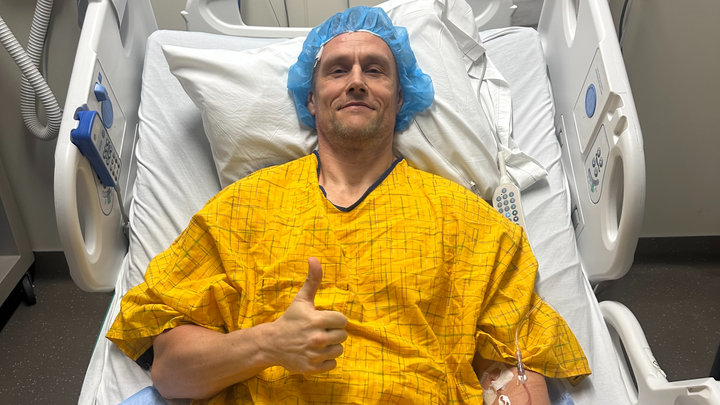
The Sarcoma Foundation of America is proud to recognize SAG Award-nominated actor and sarcoma survivor Andrey Ivchenko as the recipient of the 2025 Amira Yunis Courage Award, to be presented at this year’s Stand Up to Sarcoma Gala in New York City.

Best known for his unforgettable role as Grigori, the formidable villain in Season 3 of the global Netflix hit Stranger Things, Andrey has also appeared in Lucifer, Counterpart, and Call of Duty: Black Ops Cold War. He has built a career playing physically commanding characters. But in 2024, he received a diagnosis of chondrosarcoma, a rare bone cancer with limited treatment options.

His journey included major surgery to remove half of his pelvis, which was replaced with a custom 3D-printed titanium implant and hip replacement. It marked the beginning of a life-changing chapter defined by resilience and recovery.

A Platform for Change
After his diagnosis and treatment, Andrey shared his story publicly through interviews and social media, helping to raise awareness of a cancer that too often goes unnoticed. His openness has helped demystify sarcoma and amplify the needs of people diagnosed and living with sarcoma.

The Amira Yunis Courage Award
Each year, SFA presents the Amira Yunis Courage Award to someone who uses their voice and advocacy to elevate sarcoma. Named in memory of Amira Yunis, a former SFA board member and advocate, the award honors individuals who bring visibility, compassion, and strength to the sarcoma community. In 2025, Andrey Ivchenko will join this inspiring list of honorees.

Stand Up to Sarcoma Gala 2025
Andrey will be honored during the 23rd annual Stand Up to Sarcoma Gala, held on September 15, 2025, at 583 Park Avenue in New York City. The event brings together patients, caregivers, researchers, and advocates to celebrate progress and raise funds for SFA’s mission. Net proceeds from the evening will support 2026 research grants and patient education programs.

Celebrating a Story That Inspires
Andrey’s sarcoma journey is a story of courage and advocacy. By sharing his experience and accepting this award, he helps shine a light on sarcoma and inspire hope for those impacted by it. SFA is proud to recognize his contributions and to stand with him in building a future where more people survive after sarcoma. Added text.

Read more

January 10, 2025

Closing Gaps, Improving Outcomes: Building Community Together

By Brandi Felser, CEO

Happy New Year!

2024 was quite a year for SFA and we are looking forward to 2025 and celebrating the
organization’s 25th year anniversary. In 2024, in addition to funding impactful research, we launched programs to increase our support and engagement with the sarcoma community: We partnered with the Association for Community Care Centers (ACCC) to provide tools and information for community oncologists. We launched a new website to increase resources for the community, and in late 2024 we launched the Sarcoma Stories podcast.

To date, we have released three podcast episodes and have recorded several more. Each story is unique, and we never know where the discussion will lead. But they are not just “stories”. We launched this podcast to highlight the voices of the people affected by sarcoma: to better understand the challenges they face and the things that matter most to them. We also launched this podcast to help people in our community connect, share resources, or simply find someone who understands their experience. I admit, I was not sure what to expect when we decided to launch this initiative. But this podcast has turned into so much more than I imagined.

We listen to and share stories from the sarcoma community on many different platforms. Because of this, there is so much I thought I knew about the challenges, obstacles, and what is important to people navigating a sarcoma journey. But through these deeper discussions, I have been humbled, brought to tears, laughed, and most importantly educated. I have learned even more about the gaps in patient support, resources, diagnosis and treatment, some I knew about and others are new to me. A portion of these conversations that you don’t hear are the SFA team asking questions, discussing gaps and how these gaps can be filled. SFA cannot do it all, but we can bring together the right stakeholders to create changes necessary for sarcoma patients, survivors and their loved ones to thrive. These discussions, like our Race to Cure Sarcoma events, are a reminder of why SFA exists. And what drives us each day.

2025 is about building community and infrastructure to improve outcomes.

We refreshed our mission statement and strategic goals in 2024 to be intentional about addressing critical gaps to improve outcomes. This includes improving diagnosis and treatment, patient resources and education, access to treatments and sarcoma specialty care centers, and public policy. This year, SFA will expand and increase our efforts to fund impactful research, grow awareness, engage in strategic partnerships, amplify the sarcoma voice on Capitol Hill, provide resources to empower people diagnosed to advocate and participate in their care, and work in partnership to fill gaps in diagnosis and treatments.

I hope you will continue to join us for this journey. We envision a world where no one dies from sarcoma – and we envision a world where SFA no longer needs to exist. 2025 may not be the year we put ourselves out of business, but we will continue to work toward that. #curesarcoma

Read more

January 8, 2025

Stand Up to Sarcoma Gala Recognizes Sarcoma Community

The Sarcoma Foundation of America’s 22nd annual Stand Up to Sarcoma Gala was a night of celebration and sense of community, hope, and unwavering dedication to supporting those affected by sarcoma. Supporters, patients, caregivers and their families came together to honor those who have dedicated their work to assist people affected by sarcoma and to the survivors and patients who inspire us every day.

We are grateful to the 2024 honorees, each of whom has made a unique and significant impact in the world of sarcoma: David Fajgenbaum, MD, MBA, MSc, received the Vision of Hope Award; Cristina R. Antonescu, MD, was honored with the Nobility in Science Award; Jaclyn Cardarelli-Matte, LICSW, accepted the Compassionate Care Award. Emily Oberst, Kelly Elmlinger, and Nate Hinze were presented with the Courage Award; and Sean Cincotta received the Amira Yunis Courage Award. Their individual stories of dedication, compassion, and bravery serve as a powerful reminder of why we stand up to sarcoma. Click here to learn more about this year’s honorees.

Actress and singer Krysta Rodriguez, who has graced both stage and screen in productions like “Halston” and “Smash” started off the evening with a heartfelt performance. During her performance, Krysta dedicated a song from “Into the Woods” a production she starred in with her friend and fellow Broadway star, Gavin Creel, who had passed from sarcoma on September 30, 2024. SAG Award-winning actress Caroline Aaron, known for her roles in “The Marvelous Mrs. Maisel” and “Ghosts,” guided us through this special night of celebration featuring extraordinary honorees and recognition of important advances in sarcoma science and research.

Thank you to everyone who joined us for this unforgettable evening and to the event sponsors. Your partnership and your shared commitment to making a difference in the lives of those affected by sarcoma are what make this event so special.

We hope you will join us next year for the 23rd Annual Stand Up to Sarcoma Gala, which will be held September 15, 2025.

Read more

December 23, 2024

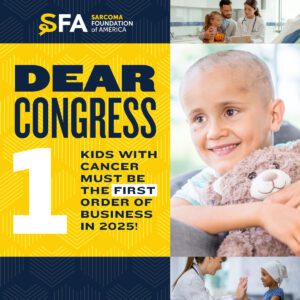
SFA Joins Effort to Prioritize Childhood Cancer in Congress

Partnering with 22 Organizations to Prioritize Childhood Cancer Policy

The Sarcoma Foundation of America (SFA) has united with 22 organizations to urge Congress to
prioritize childhood cancer legislation. Together, we are calling on lawmakers to ensure children
battling cancer are the first order of business in 2025.

Earlier this year, several key policies aimed at advancing pediatric cancer research and care
were removed from the year-end federal spending package, despite strong bipartisan support.
These legislative measures represented some of the most promising opportunities in over a
decade to improve outcomes for children with cancer and their families.

As the 119th Congress convenes on January 3, 2025, we must ensure that critical bills
supporting treatment, research, and resources for childhood cancer are addressed. Children
with cancer have waited long enough—it’s time to finish the job.

SFA is deeply committed to ensuring that childhood cancer remains at the forefront of
legislative priorities. By endorsing this statement, we join a collective call for renewed efforts to
pass these vital policies in the next congressional session.

Childhood cancer advocacy is a critical part of SFA’s mission, and we stand with families,
patients, and fellow advocates in pushing for change that will make a difference.

READ THE FULL STATEMENT

Read more

December 11, 2024

Rare but Treatable: Sarcoma Care in the Community Setting

Nicole Colwell, MD (ACCC), and Brandi Felser, MBA

Sarcoma is a rare cancer that is estimated to affect just over 17,000 people in the US annually. It is currently estimated that 1% of all adult cancers and 15-20% of childhood cancers are sarcomas, arising either in bone or within soft/connective tissues.

This article originally appeared on the ACCC Buzz Blog. Read it in that location here.

Sarcoma is a deadly disease, but it doesn’t have to be. Currently, the overall survival rate from any form of sarcoma is 65%. Almost 60% of sarcomas are found when they are still a localized disease, for which the 5-year survival rate is up to 81%. When detected in more advanced stages, the 5-year survival rate decreases to 18% for those with locally advanced disease and to 16% for those who have metastatic disease. There are few treatments for patients with sarcoma, but they are available, and clinical trials and more research into new treatments are underway. Due to the rarity of these cancers and with over 100 different subtypes of sarcoma, most community oncologists will rarely, if ever, see or treat a patient with any form of sarcoma during the tenure of their career. This makes it all the more important for them to have trusted resources available if and when they are needed.

Promoting Awareness
For many patients, sarcoma can be a particularly difficult diagnosis because of its presentation with non-specific or confusing symptoms. Soft tissue sarcomas, for example, may initially present as a painless lump or swelling, which can easily be mistaken for a more benign condition. Bone sarcomas might cause bone aches, pain, or fractures which could be confused with other musculoskeletal problems. These factors highlight the need for heightened awareness among both patients and health care providers alike. Organizations such as the Sarcoma Foundation of America (SFA) are vital to address these unmet needs. The SFA aims to bridge any gaps in knowledge for clinicians and empowers patients to take an active role in their care.

To facilitate the process of diagnosis, treatment, and patient care, SFA has partnered with the Association of Cancer Care Centers (ACCC) to develop a multitude of resources about sarcoma for community clinicians, patients, and caregivers. This collaboration aims to ensure that health care professionals in the community setting have access to the latest research, treatment protocols, and clinical trial data. The ACCC/SFA partnership also aims to equip patients with information that can improve their quality of life and expand treatment options tailored to individual sarcoma types. For example, resources like webinars and educational seminars help clinicians stay up to date on emerging therapies and updates from key oncology meetings by sarcoma specialists. Meanwhile, clinical trial matching services connect patients to potentially life-saving trials that may otherwise go undiscovered.

Clinical trials are key to improving outcomes for patients with sarcomas. SFA has created a clinical trial matching service to provide easy-to-obtain information about potential trial eligibility for patients with sarcoma. SFA provides contact information for this service as well as the capacity to connect patients to the trial sites.

Treating the Whole Patient
Beyond medical treatment, the psychological impact of a sarcoma diagnosis should not be overlooked. Patients and caregivers often face an emotional and mental health burden that requires attention and support. Community oncology settings, where most sarcoma patients are treated, can provide an opportunity for holistic care that integrates psychosocial support, mental health resources, survivorship programs, and other supportive care options.

Though sarcoma presents significant challenges due to its rarity and complexity, there is hope on the horizon. Advances in research, better access to clinical trials, and increased awareness among clinicians are key factors in improving care for patients with sarcoma. The cumulative efforts of organizations like SFA and ACCC are helping to close the knowledge gap and ensure that both patients and oncology providers have the tools they need to make informed decisions. As awareness grows and research advances, progress is made towards the goal of better clinical outcomes. With ongoing dedication and collaboration between advocacy groups and community oncology care teams, the future looks brighter for patients with this rare but treatable cancer.

Nicole A. Colwell, MD, is a senior editor/medical writer for the Association of Cancer Centers (ACCC). Brandi Felser, MBA, is the Executive Director of the Sarcoma Foundation of America (SFA).

Read more

December 11, 2024

Five and Twenty-Five: Reflecting and Looking Ahead

Brandi Felser

Next year, the Sarcoma Foundation of America will celebrate its 25th anniversary. It is amazing to reflect on how far SFA has come – an organization that started by three passionate Founder’s thanks to an encounter at a medical meeting. Now, the leading private funder of research in the sarcoma community, the principal organization representing sarcoma patients’ voice on Capitol Hill, and the largest and most comprehensive patient advocacy organization representing all sarcoma patients regardless of subtype.

I joined SFA five years ago this month, but my personal patient advocacy journey started 14 years ago when my mother passed away from cancer. That is when I decided to turn my passion and personal experience into helping others. Then in 2019, just before joining SFA, I lost my father who also had cancer. I was both a primary care partner and a daughter helping her parents navigate a disease and a journey none of us understood.

I have been in the role of care partner, a daughter who lost her parents, and a person who had to quickly learn how to advocate for care, manage a health care system, make decisions with limited information and frankly, not know which decision was the right one. We experienced misdiagnosis, wait and watch until the waiting was too late, searching for answers and other options, and the overwhelming feeling that we did not know which way to turn. I realized then that I did not want anyone else to experience what my family had gone through.

Most importantly, the thing that sticks with me the most is the feeling that there was so much we did not know. A not uncommon experience in sarcoma – a devastating diagnosis coupled with a rare cancer with little information. Something I hear from people time and time again. And I have committed to doing all I can to ensure that SFA supports the sarcoma community so no one else has to share that feeling. I have spent time thinking about my journey and SFA’s 25th anniversary.

I thought how important SFA’s contributions have been over the years. And I wondered where sarcoma patients would be today if SFA did not exist. It is difficult to harness the impact SFA has had. It is inspiring to consider the impact we’ll have in the future. Your support continues to be an important catalyst to SFA’s ability to advance our mission and save lives. You may have noticed our logo and website look a little different. Over the last five years, I have engaged with the Board and staff on strategic planning work. Looking toward the future and mapping out our impact and role in the sarcoma community.

Our Board and staff have spent time reflecting on our accomplishments and planning ways SFA will expand our impact. What you see is a recognition of our leadership role in the sarcoma community and an outward representation of our commitment to expand our work to realize a future where no one else dies from sarcoma. Three months after I joined SFA, the world was devastated by the COVID-19 pandemic. And I was wondering how I was going to lead this amazing organization through one of the worst times in recent history so that we could continue our mission on behalf of people affected by sarcoma. Now, nearly five years later, SFA’s impact and growth has been remarkable. And that is because SFA has some amazing supporters. Your support has brought us to where we are today – the first line resource for all things sarcoma. Thank you for joining us, thank you for supporting us, thank you for investing in us. More importantly, thank you for your commitment to the many children and adults diagnosed, living with, and surviving sarcoma. I look forward to our continued work together to reach our shared goals. Together, let’s change the world for people affected by sarcoma. For me, this is personal.

Read more

ribbon

Make a Donation

Help us move closer to a world where people do not die from sarcoma

Make a Donation
ribbon

section